Water Damage Restoration Montclair, CA
When a slab pipe, attic AC drain or water heater lets go, the extraction crew pulls the standing water, maps the moisture and dries the house to the IICRC S500 standard.
(888) 578-6508Start extraction on my house right now
Five things to do before the extraction crew arrives
Stop the water
Close the main shutoff or the valve at the leaking fixture, and shut the cold supply to a failed water heater.
Kill power to wet rooms
Switch off breakers for any room where water reached outlets or cords, and stay out of standing water near power.
Photograph before moving
Take wide and close photos of every wet room, the source and damaged items before anything is lifted or tossed.
Lift what can be lifted
Move rugs, electronics and papers off wet carpet. Foil or blocks under furniture legs stop stains wicking up.
Keep clear of dirty water
If the water came from a toilet, a drain or storm runoff, keep kids and pets out and do not mop it.
Water Damage Restoration Services in Montclair, CA
Twelve water and sewage services, each with its own drying plan, from a pinhole under the slab to a flooded office suite on a commercial boulevard.
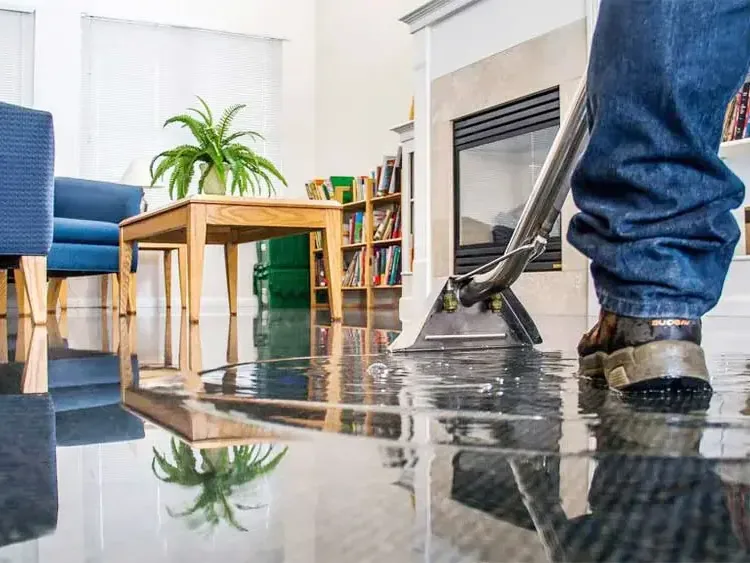
Water Extraction and Removal
Standing water lifted off slab floors with truck-mounted and portable units before pad and baseboards soak it up.
Inside this service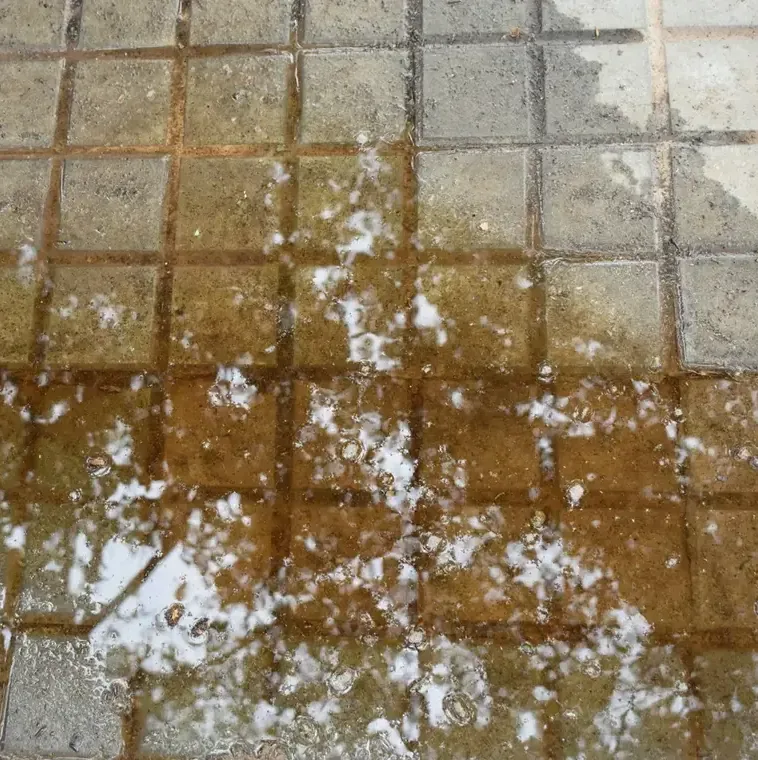
Slab Leak Water Damage
Pinhole leaks in copper under postwar slabs, flooring pulled back and the concrete and wall bottoms dried.
Inside this service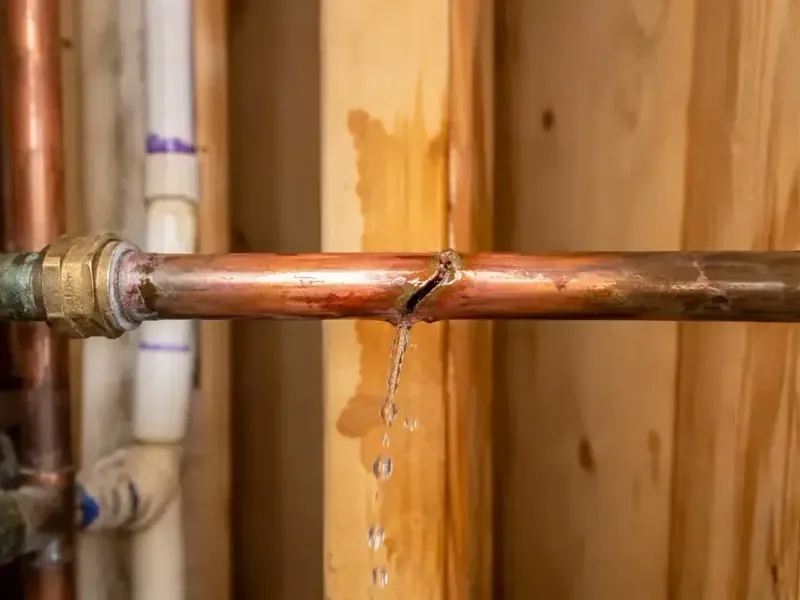
Burst Pipe Water Damage
Split supply pipes and failed fittings inside walls opened, extracted and dried cavity by cavity.
Inside this service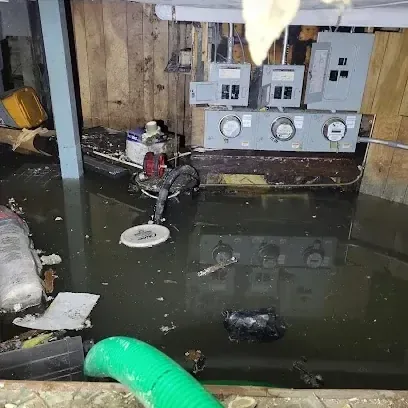
Sewage Backup Cleanup
Toilet, shower and cleanout overflows handled as Category 3, wet porous materials bagged out.
Inside this service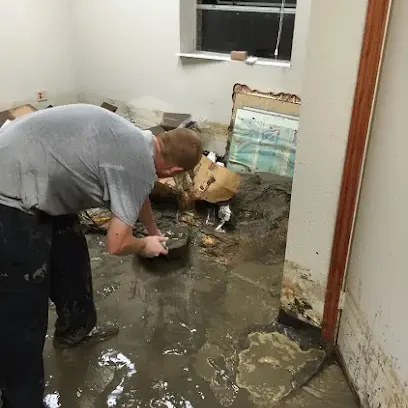
Storm Runoff and Flash Flood Cleanup
Winter storm runoff through doors, garages and slab edges treated as contaminated and dried out.
Inside this service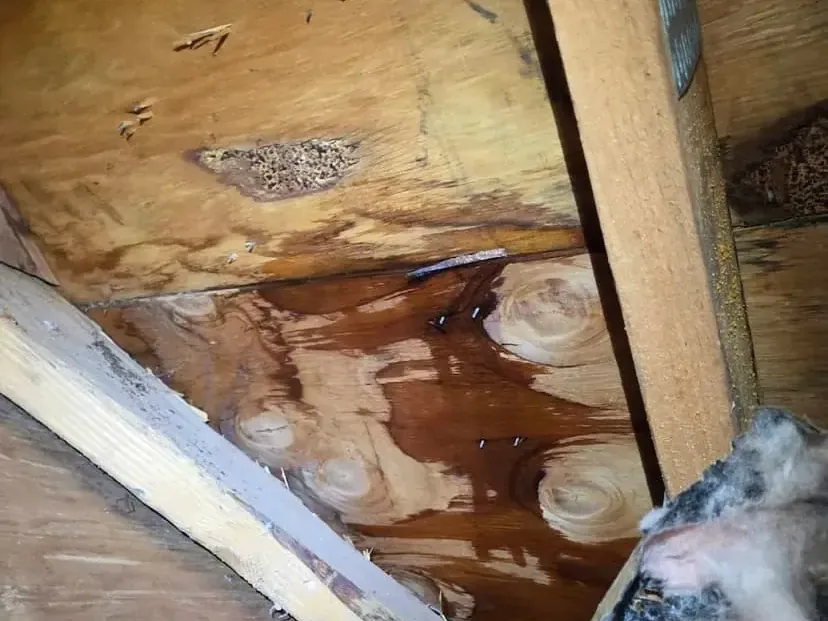
Roof Leak Water Damage
Wind-lifted shingles, cracked tile and worn flashing traced from the attic down, insulation pulled.
Inside this service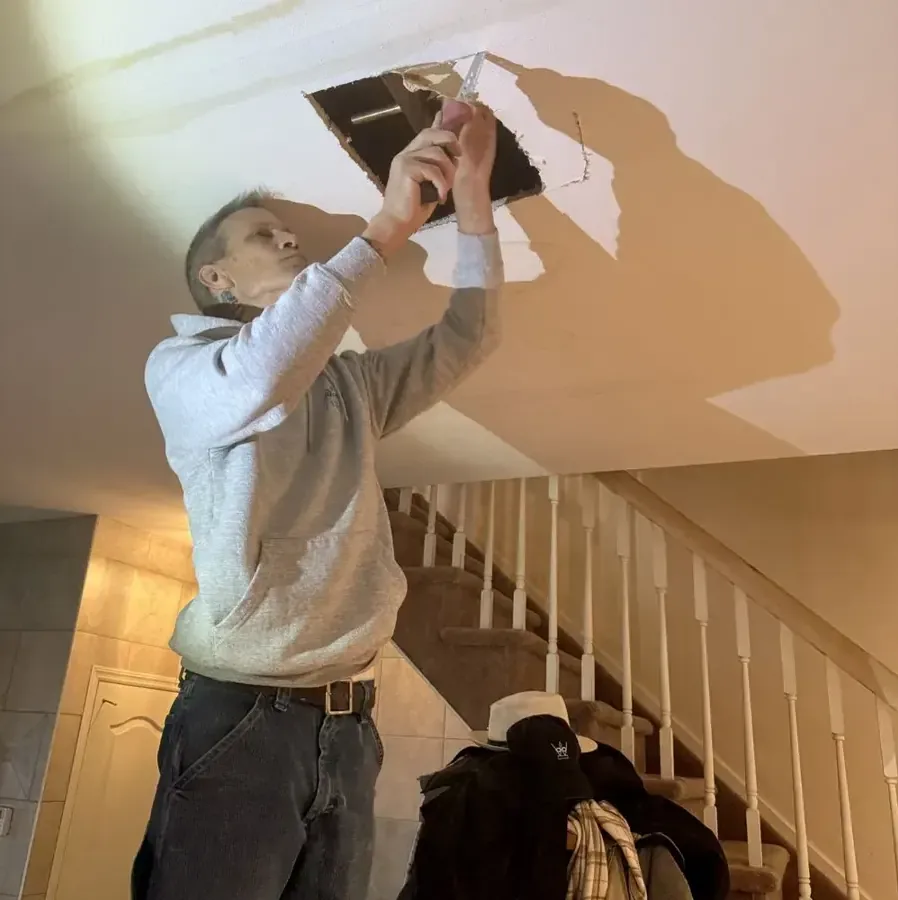
Ceiling Leak Water Damage
Upstairs bath and condo unit leaks traced to the source, ceiling drywall opened and joist bays dried.
Inside this service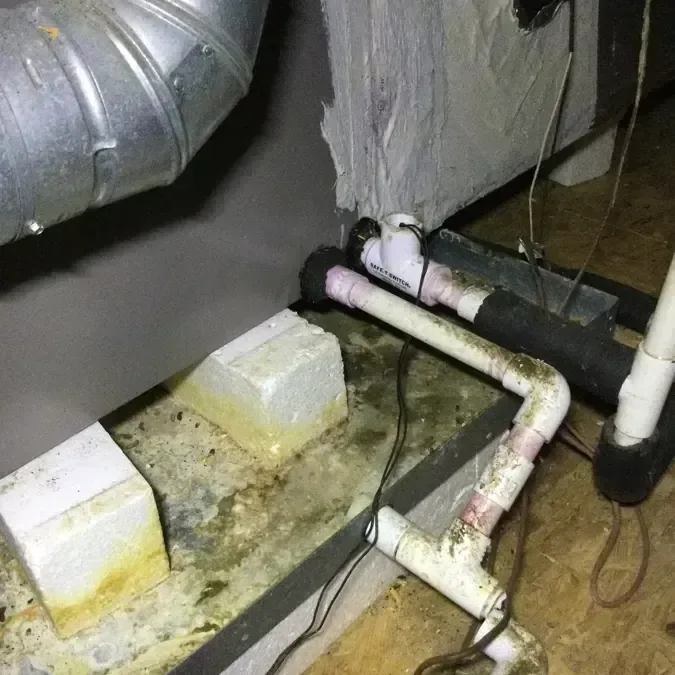
AC Condensate Leak Water Damage
Clogged condensate drains and rusted pans under attic air handlers, stained ceilings opened and dried.
Inside this service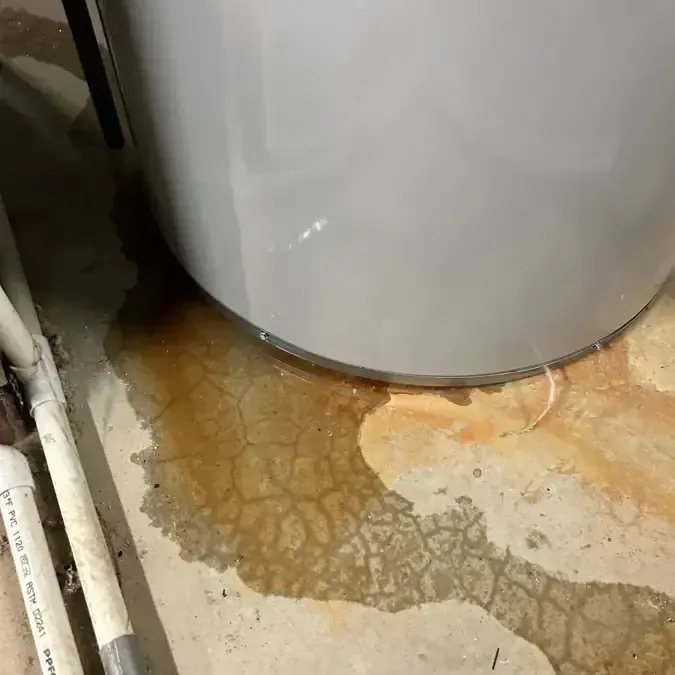
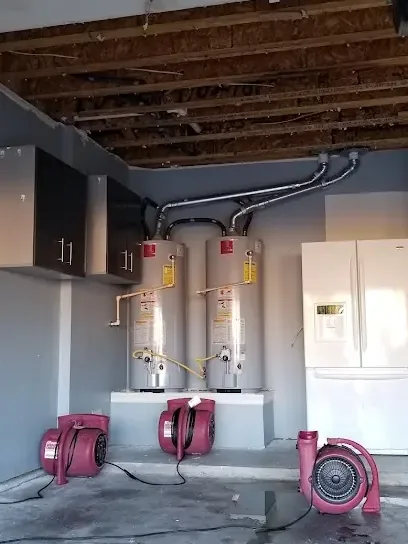
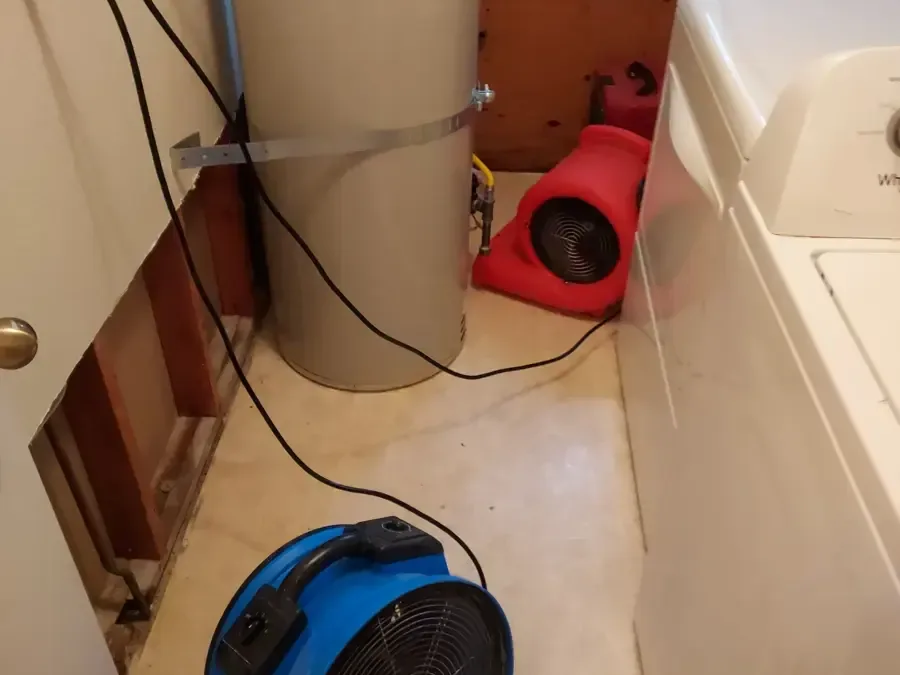
Water Heater Leak Cleanup
Garage and closet tank failures extracted before drywall, cabinets and stored boxes soak through.
Inside this service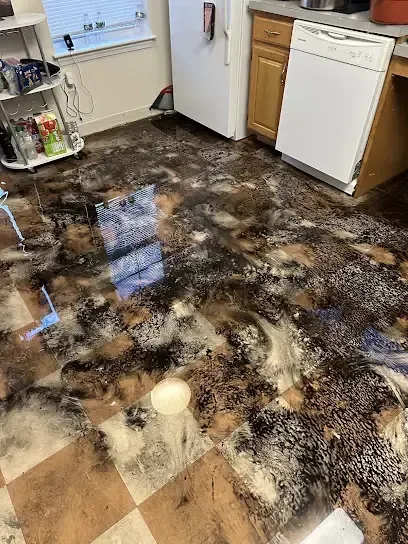
Appliance and Supply Hose Leaks
Washer hoses, dishwasher supplies and ice maker tubing leaks pulled from floors, cabinets and subfloor.
Inside this service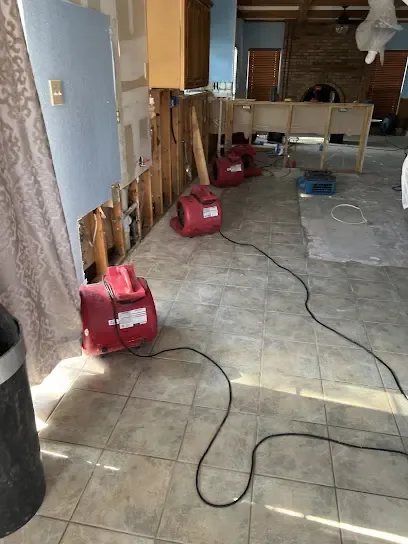
Structural Drying and Dehumidification
Framing, drywall, slab and cabinets dried with LGR dehumidifiers to a measured finish.
Inside this service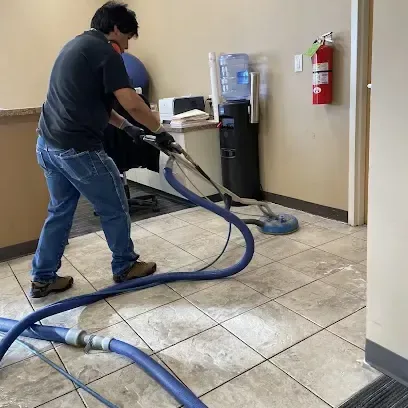
Commercial Water Damage
Shops, offices, clinics and apartment buildings dried in phases so doors stay open where safe.
Inside this serviceWhy the drying is measured, not guessed, on every job
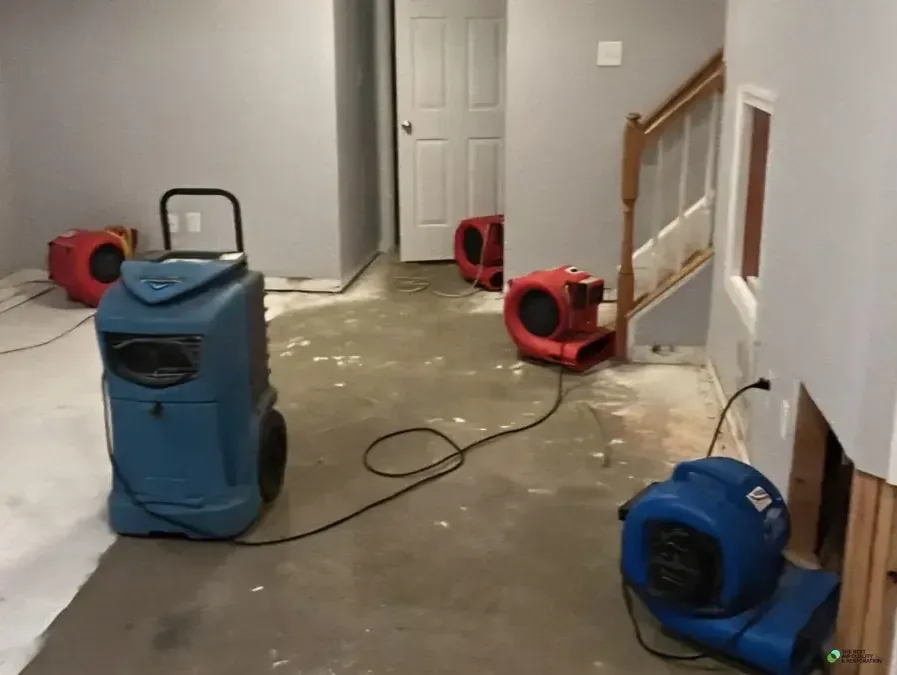
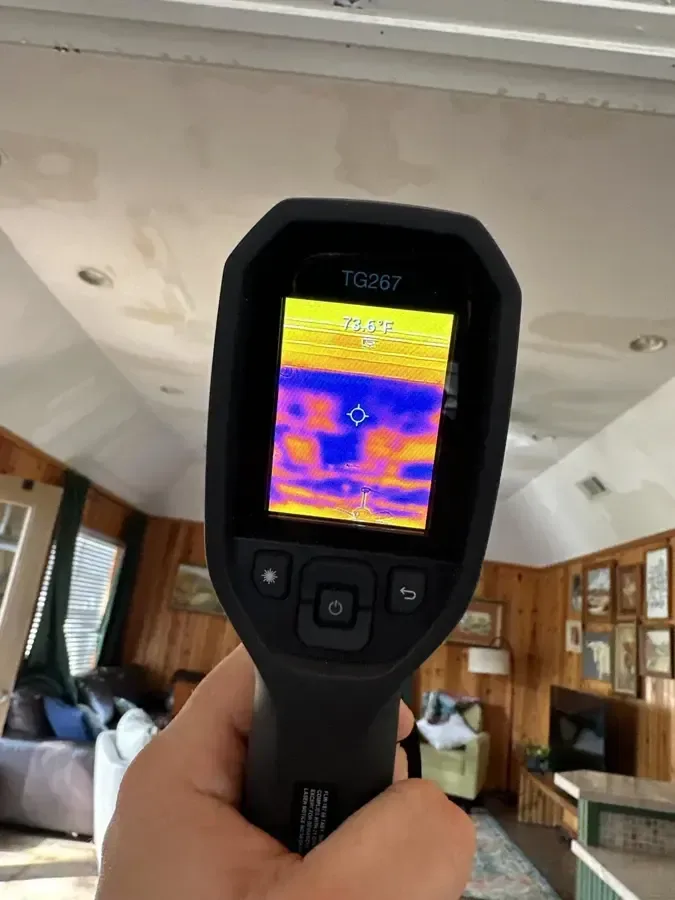
A dry-looking floor can still hold water in the slab, the bottom plate and the drywall behind baseboards. Meters and thermal cameras find it first.
Dispatch at any hour
Active water is treated as urgent around the clock, holidays included, because every hour it sits pushes it deeper into slab, drywall and cabinets.
IICRC S500 drying
Air movers and LGR dehumidifiers are sized to the class of loss, and readings decide when the equipment leaves, not the calendar.
Claim-ready records
Moisture maps, daily psychrometric logs and timestamped photos taken before any demolition go into one file the adjuster can follow.
Local housing know-how
Postwar slab homes, garage water heaters, attic air handlers and stucco walls fail in set ways, and the walkthrough checks each one.
Three water categories, three different ways to clean up
Clean water from a supply source
A burst supply pipe, a slab pinhole or a failed water heater tank starts as clean water. Caught early, most of what it soaks can be dried in place.
Gray water from appliances and drains
Washer discharge, dishwasher overflow and AC condensate carry soap, sediment or bacteria. Wet pad usually comes out and surfaces get an antimicrobial.
Black water from sewage and runoff
Toilet overflows, sewer backups and floodwater from outside are Category 3 from the start. Porous materials it touched are removed, never dried.
Why water damage behaves differently in Montclair
The city grew out of a citrus tract into postwar slab neighborhoods, apartments and busy commercial boulevards. That mix, plus long dry spells broken by hard winter storms, shapes most losses here.
Postwar slab homes
The population rose from 13,546 in 1960 to 22,546 in 1970 as tract homes replaced the old orchards. Copper supply pipe under those slabs pinholes out of sight.
Renters and shared walls
About 45 percent of occupied homes are rented. In apartments and condos, one failed supply hose or water heater can soak the unit beside or below it.
Attic air handlers
Many houses run their cooling through an air handler in the attic. A clogged condensate drain or rusted pan can drip into the ceiling for weeks before a stain shows.
San Antonio Creek and runoff
San Antonio Creek, once the Arroyo de los Alisos, runs along Mills Avenue on the western edge. Winter runoff off streets and lots pushes water at doors and slab edges.
Older sewer laterals
Mature street and yard trees send roots into older clay and cast iron laterals, and a blocked lateral backs sewage up through the lowest drain in the house.

February 2023 storm
The coldest storm of that season brought Southern California its first blizzard warning in over three decades, with snow near Mount Baldy and flooded roads.
How a structure is dried to a measured finish
IICRC S500 is the industry standard for water damage restoration. It sets how water is extracted, how drying equipment is sized and how a dry finish is proven with readings, not by touch.
The tech traces the source, sets the water category and class, and marks a moisture map of every wet wall and floor before equipment goes down.
Truck-mounted and portable extractors pull standing water and what carpet and pad will release, the biggest single step in cutting drying time.
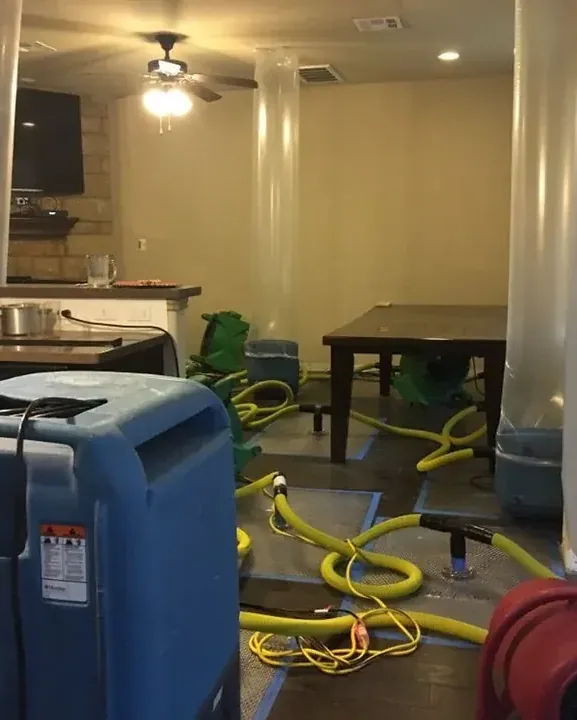
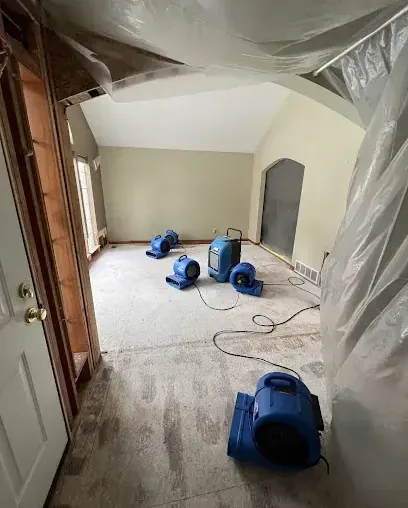
Air movers push air across wet surfaces while LGR dehumidifiers pull the moisture out of the room, with readings logged every day.
Equipment comes out when framing, drywall and slab read within 2 to 4 points of a dry reference, and the final readings close the file.
Documentation an adjuster can work from
Most homeowner policies treat sudden and accidental water from inside the house differently than flood water from outside. A clean, complete file helps either way.
- A moisture map of every wet wall, floor and ceiling
- Daily psychrometric logs of temperature and humidity
- Timestamped photos taken before any demolition
- The water category and class of loss, written down
- A line-item scope of what was removed and why
Check your own policy
Storm runoff that enters from outside is usually covered only by a separate flood policy, while a burst pipe or slab leak often falls under the homeowner policy as sudden and accidental.
Coverage decisions belong to your insurer. Read the water and sewer backup sections of your own policy and report the loss promptly.
Where the Montclair crews work, block by block
ZIP code
Not sure whether your street sits inside the coverage area?
Every street in ZIP 91763 is covered, from the homes along Mills Avenue on the county border to the apartments off Holt Boulevard and Mission Boulevard.
Crews also work the neighboring cities listed here, so a house just past the city limits gets the same extraction, drying and paperwork.
Montclair, CA · [email protected]
Find us on GoogleStreet areas covered
Nearby cities
What a water damage dry-out looks like from extraction to final readings
What does water damage restoration cost in Montclair, CA?
Most water damage restoration jobs in Montclair, CA run between $900 and $6,500. A small clean-water leak caught early sits at the low end, while sewage, a slab leak under hardwood or a whole-floor loss can reach $15,000 or more.
- Clean water caught within a day
- Carpet, pad and baseboards
- Three to four days of drying
- Flooring lifted for access
- Lower drywall cut and dried
- Containment and LGR dehumidifiers
- Category 3 removal and antimicrobial
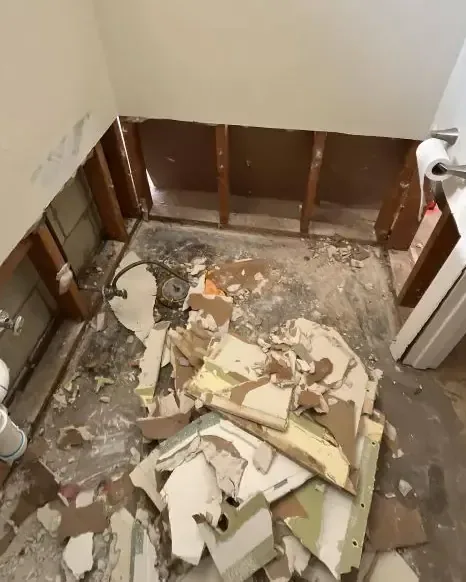
- Drywall, insulation and pad removed
- A week or more of drying
Four things move the number most: the water category, how many square feet got wet, the material class and how fast drying started. Every scope is set after the moisture map.
Price out a loss on the cost calculator ›Montclair water damage questions, answered by topic
01How fast can a crew get to a house in Montclair?
Active water is treated as urgent at any hour, 24/7, holidays included. Dispatch sends the nearest available crew with extraction and drying equipment, and the walkthrough starts as soon as the crew is on site.
02What should I do while waiting for the crew?
Shut off the main or the fixture valve, switch off breakers to wet rooms, photograph everything before moving it, and lift rugs and electronics off wet floors. Stay out of any water from a toilet, a drain or storm runoff.
03Does homeowners insurance cover water damage here?
Sudden and accidental water from inside the house, like a burst pipe or a failed water heater, is often covered. Storm runoff that enters from outside usually needs flood coverage. Coverage depends on your policy, so check with your own insurer.
04What causes most water damage in local homes?
Pinhole leaks in copper under postwar slabs, water heaters failing in garages and closets, clogged AC condensate drains in attics, supply hose failures and winter storm runoff lead the list across the city's slab neighborhoods and apartments.
05How long does it take to dry a house out?
Most clean-water losses dry in three to five days when extraction starts quickly. A slab leak, hardwood or a loss with sewage takes longer. Equipment stays until readings are within 2 to 4 points of a dry reference.
06What is IICRC S500 and why does it matter?
IICRC S500 is the industry standard for water damage restoration. It covers how water is categorized, how drying equipment is sized and how a dry finish is proven with meters, which also gives the adjuster numbers to work from.
07When does wet drywall have to come out?
Drywall soaked by clean water and dried quickly can often stay. It comes out when sewage or runoff touched it, when it has swelled or crumbled, or when the insulation behind it is wet. The bottom of the wall is cut, not the whole sheet.
08Why is sewage handled differently from a pipe leak?
Sewage is Category 3 water and carries bacteria from the start. Crews wear protective gear, remove porous materials it touched, such as carpet, pad and lower drywall, and treat what stays with an EPA-registered antimicrobial before drying.
09How is the cost of a water damage job figured?
The scope sets the price: the water category, how many square feet got wet, the material class and how many days of drying the readings call for. The water damage cost calculator shows a typical range.
10Can fans and a household dehumidifier dry it out?
Fans move surface moisture but leave water in the slab, bottom plates and wall cavities, and a household dehumidifier is too small for a wet room. Without readings, a floor can look dry while the framing stays wet for weeks.
Water in a Montclair home? Get the extraction crew on the way now.
Every hour water sits pushes it deeper into the slab, drywall and cabinets. Dispatch runs 24/7.
(888) 578-6508Start the dry-out right now