Water Damage Restoration Ontario, CA
Burst pipes, sewage backups, roof leaks and storm runoff all leave the same problem behind: soaked floors and walls. The restoration team extracts the water and dries the structure to measured readings.
(888) 578-6508Call now, any hour of the day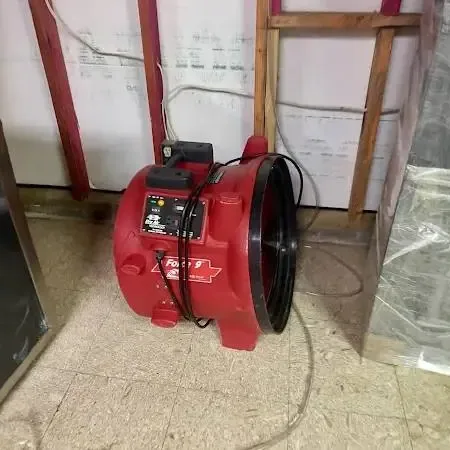
Five moves that limit the damage
Stop the water
Close the shutoff valve at the fixture or the main so the leak stops feeding the damage.
Cut power near wet areas
Switch off breakers for wet rooms, and stay out of standing water near outlets or cords.
Lift small items
Move rugs, electronics and boxes onto dry ground or a table so they stop absorbing water from the floor.
Photograph everything
Take wide and close photos of wet walls, floors and damaged belongings for the claim file.
Call for help early
Wet drywall and carpet start to break down within a day or two, so calling early keeps repairs smaller and cheaper.
Water damage services for homes and businesses
Water gets into a building through a failed pipe, a leaking appliance, a storm or a backed up drain, and each source needs a different first move.
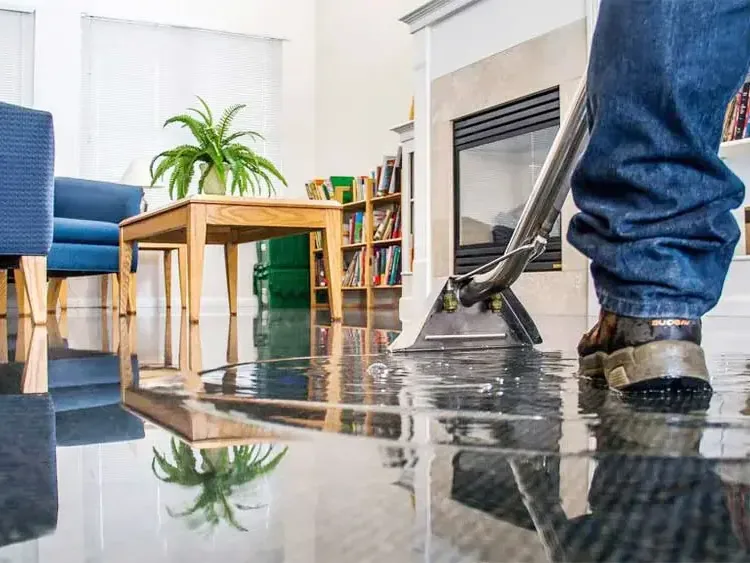
Water Extraction and Removal
Truck mounted extraction pulls standing water off floors and out of carpet before it wicks into walls.
Inside this service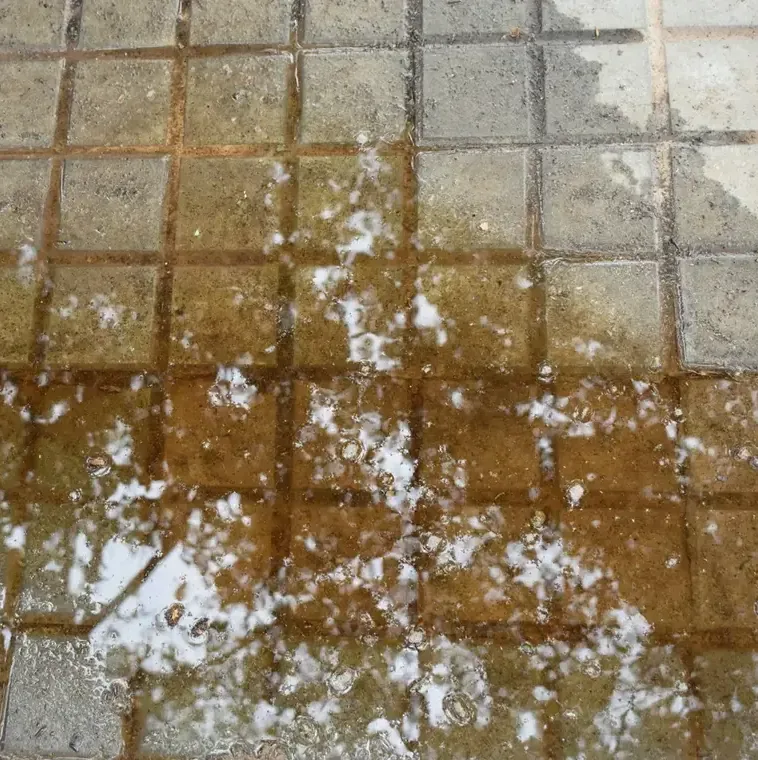
Slab Leak Water Damage
A leaking pipe under a floor slab is traced with readings, then wet flooring and concrete get dried.
Inside this service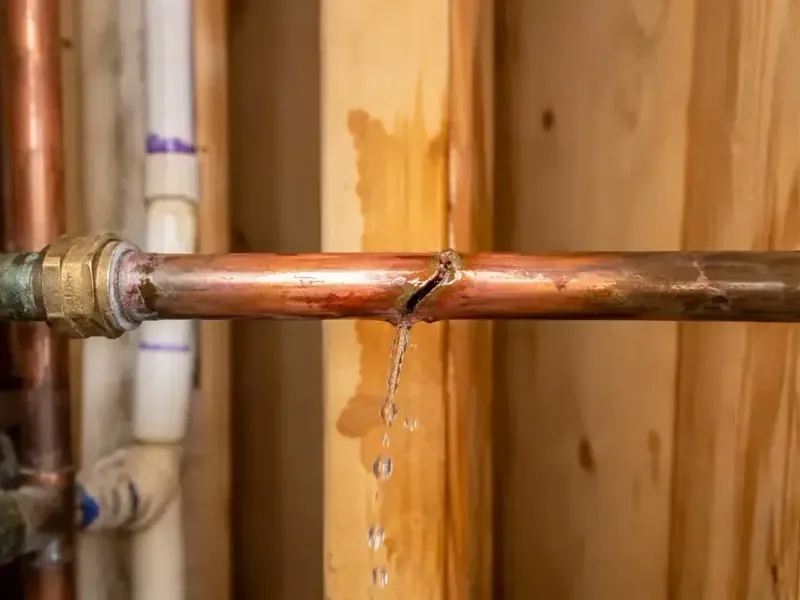
Burst Pipe Water Damage
A split supply pipe or failed fitting soaks several rooms fast, then the crew extracts and dries.
Inside this service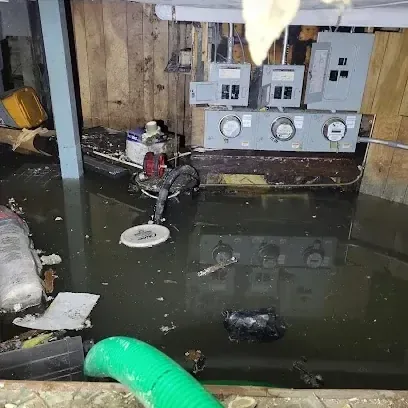
Sewage Backup Cleanup
Backed up drains spill contaminated water, which the crew contains, removes and disinfects.
Inside this service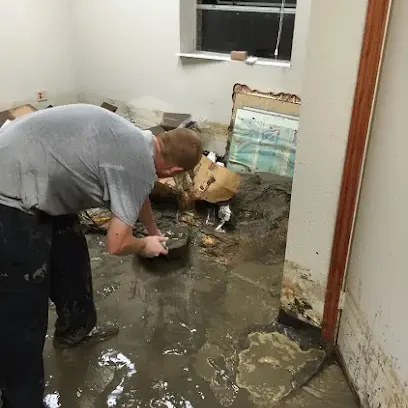
Storm Runoff and Flash Flood Cleanup
Storm runoff in a garage or room is extracted, then floors and lower walls are dried.
Inside this service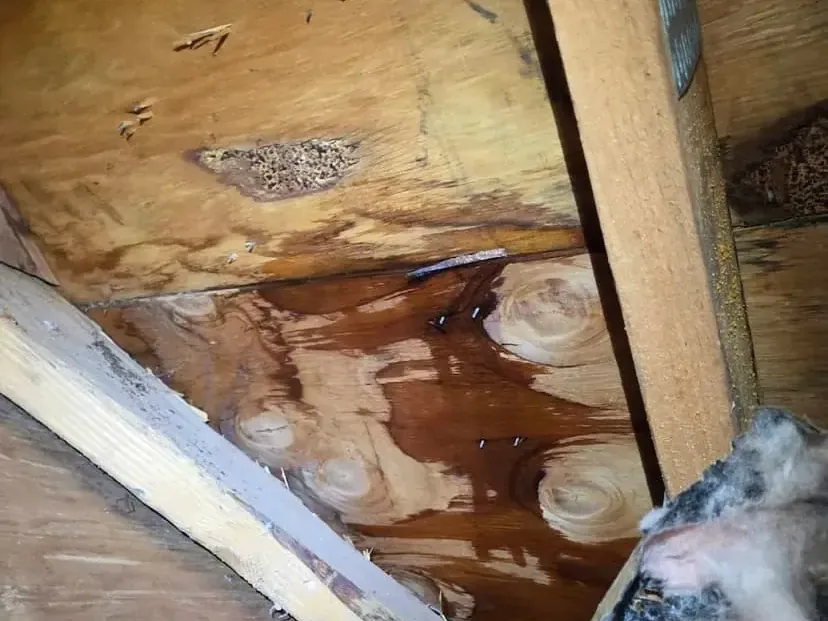
Roof Leak Water Damage
Rain that finds a way past the roof soaks insulation and ceilings, which are opened and dried.
Inside this service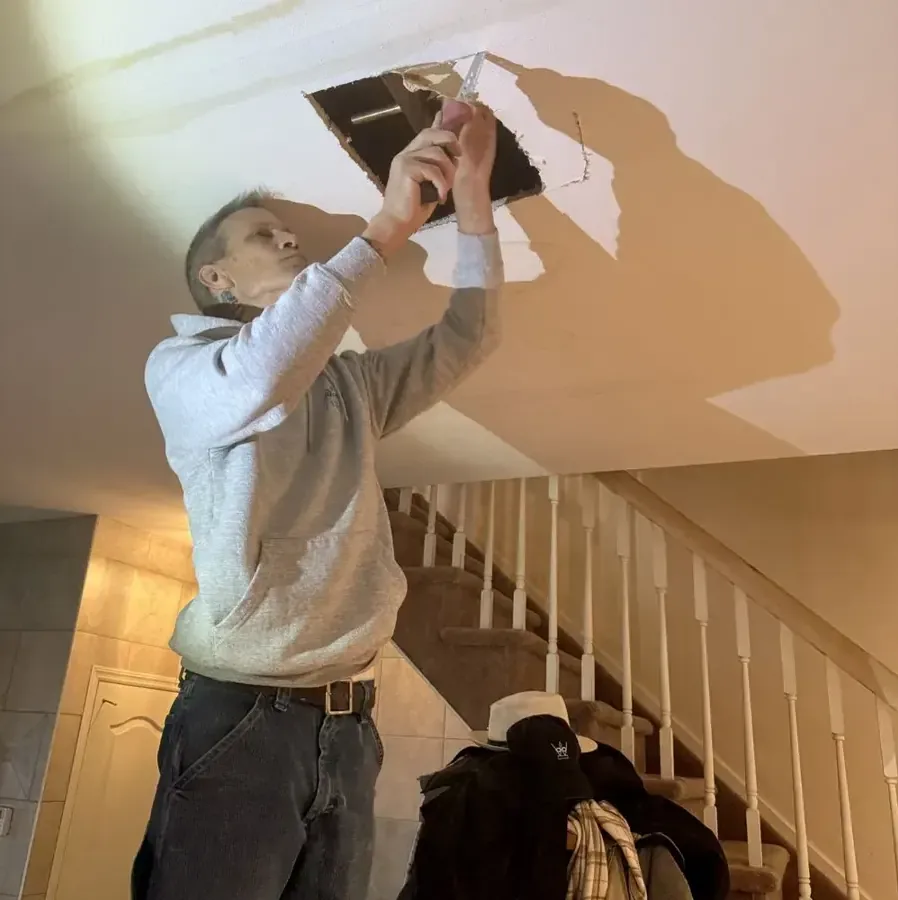
Ceiling Leak Water Damage
A wet ceiling is checked for the source above, then the damp drywall and cavity are dried.
Inside this service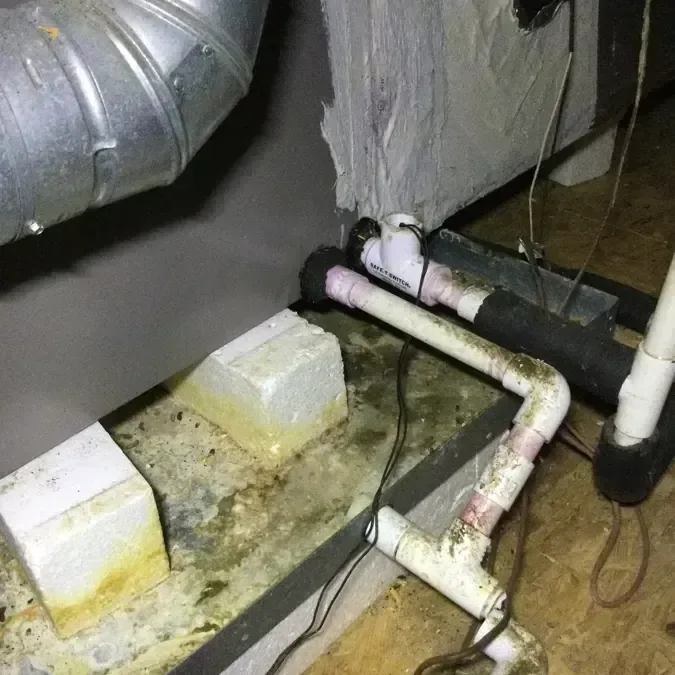
AC Condensate Leak Water Damage
A clogged condensate drain or leaking air handler wets ceilings and walls, and the crew dries them.
Inside this service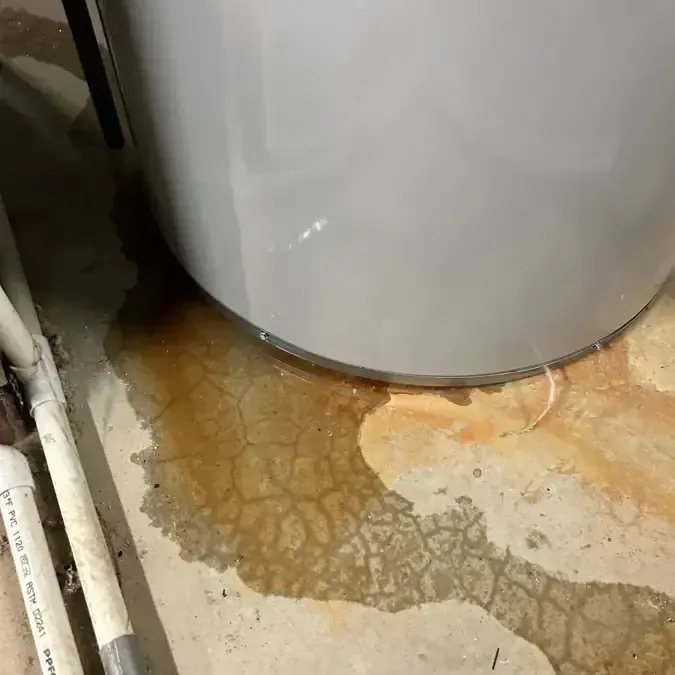
Water Heater Leak Cleanup
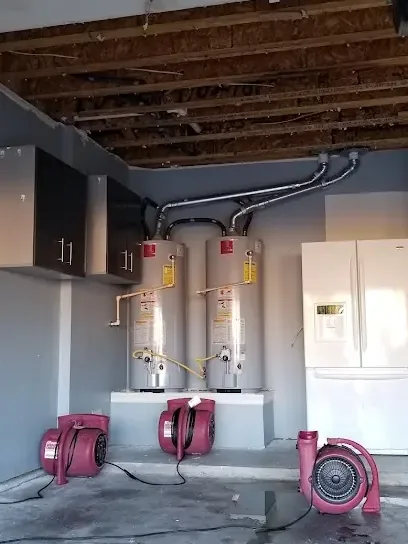
A tank leak is extracted and dried before the water reaches walls and cabinets.
Inside this service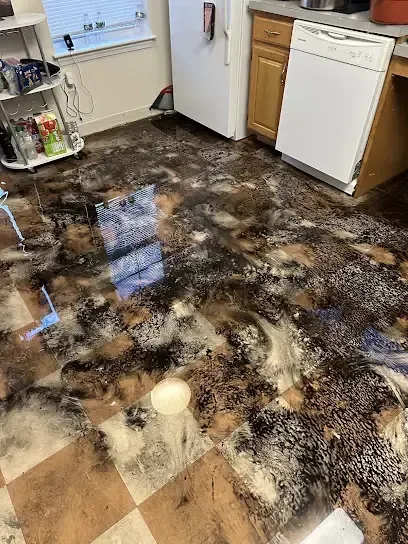
Appliance and Supply Hose Leaks
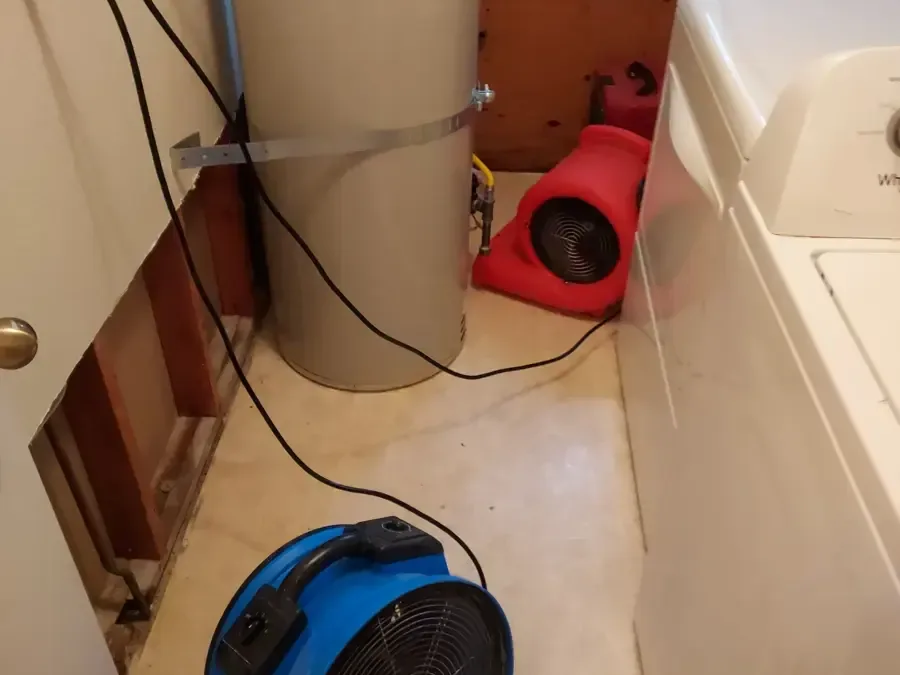
Washer, dishwasher and supply hose leaks are dried out from the flooring up.
Inside this service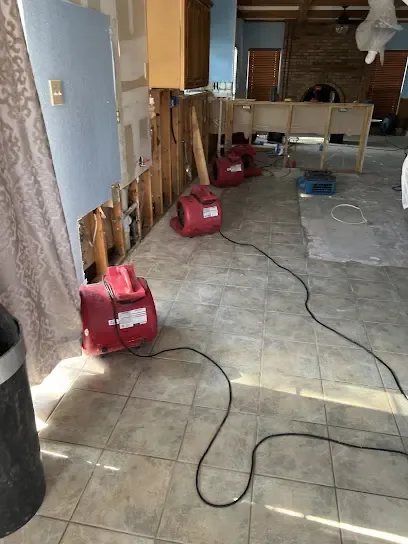
Structural Drying and Dehumidification
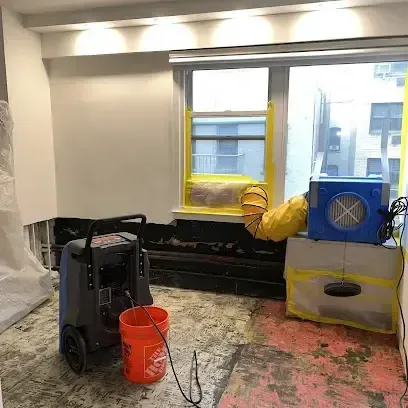
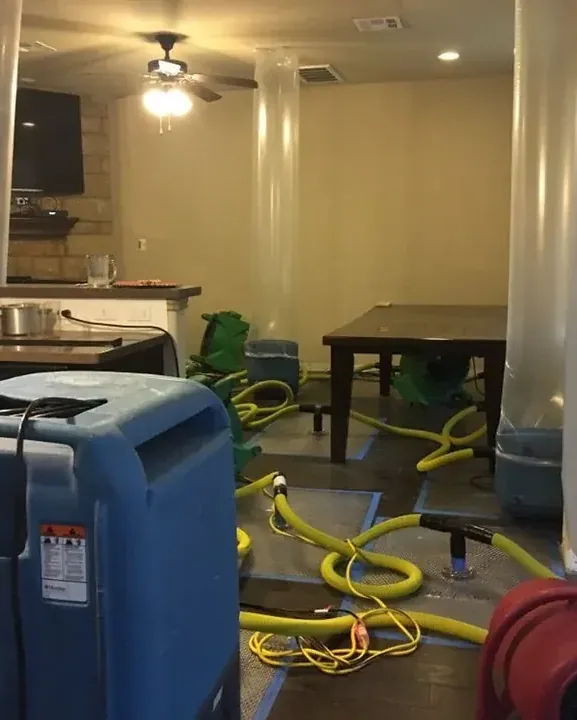
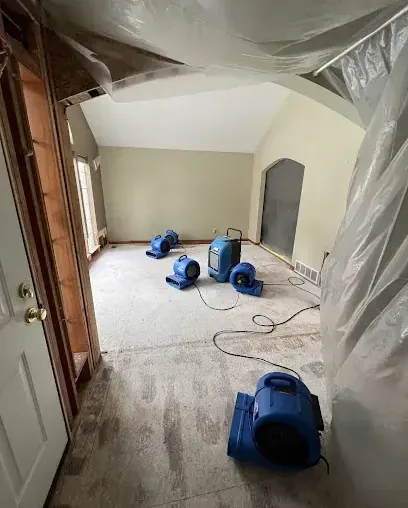
Air movers and dehumidifiers dry framing, subfloor and drywall until readings match a dry reference.
Inside this service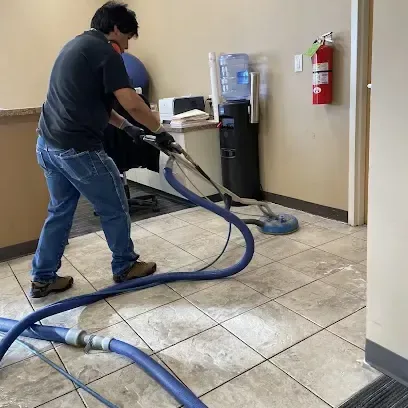
Commercial Water Damage
Warehouses, shops and offices get large floor extraction and drying that protects stock and equipment.
Inside this serviceDrying that is measured, not guessed
Water damage is time sensitive, and the work is only as good as the proof behind it. Each job is mapped, dried and documented before the equipment leaves.
Help at any hour
Pipes fail at night and storms hit on weekends, so the restoration team is reachable by phone every hour of every day.
Readings, not guesses
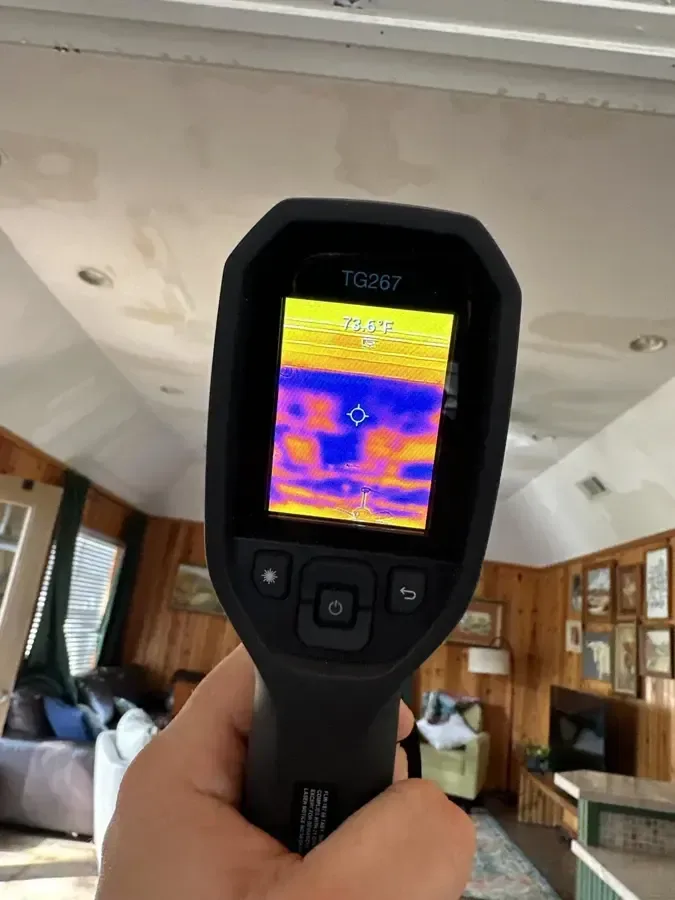
Moisture meters and a thermal camera show where water traveled, and the same tools confirm when the structure is dry.
Water and sewage focus
The work stays on water losses, from clean supply leaks to sewage backups, so the equipment and process fit the job.
Paperwork for claims
Photos, moisture logs and itemized invoices are kept together so an adjuster or landlord can follow what was done and why.
Clean, gray and black water
Clean water
Water from a supply pipe or fixture starts out clean and can be dried quickly, with flooring and drywall often staying in place and the repair staying modest.
Gray water from appliances
Condensate, washer discharge and dishwasher overflow carry some contaminants, so soaked carpet pad is usually removed and the area cleaned before drying.
Black water from storms and sewers
Storm runoff and sewage backups carry soil and bacteria, so porous materials come out, hard surfaces are disinfected and the structure dries last.
What puts local homes at risk
Ontario averages 11.64 inches of rain a year, mostly in winter after summer months that each average under a tenth of an inch, so the first storms are when roofs, drains and floors get tested.
Winter storms after a dry summer
Santa Ana winds are frequent in autumn and winter, and roofs that baked through the summer meet their first steady rain afterward, which is when ceiling stains and wet insulation tend to appear.
Air conditioners in summer
Average highs reach 93.8 F in July and 94.9 F in August, so air handlers run hard and a clogged condensate drain can drip into a ceiling unnoticed.
Busy households
Households here average 3.4 people, and with so much laundry, dishwasher and shower use, a failed supply hose or appliance leak can run a while before anyone notices.
Storm drains and runoff
The Chaffey brothers built a drainage system to carry foothill water onto flat land, and Sultana Avenue storm drain work now appears among Measure Q street projects, so runoff stays on the city's mind.
Warehouses and large floors
Distribution centers, shops and event venues spread across wide floors, so a roof leak or burst pipe can reach a lot of stock and flooring before anyone notices.

July 2024
The city utility finished Phase 1 of its advanced metering antenna project, giving it real time meter data to flag excessive water use and possible leaks early.
A drying process built on measurements
Every job follows the same order: stop the source, extract the water, open what stays wet, dry with air movers and dehumidifiers, then confirm with readings. Nothing is called finished on a guess.
A moisture meter and thermal camera trace where the water traveled, including behind walls, under floors and inside ceilings.
Wands, pumps and truck mounted units remove standing water and pull moisture out of carpet and pad before it spreads.
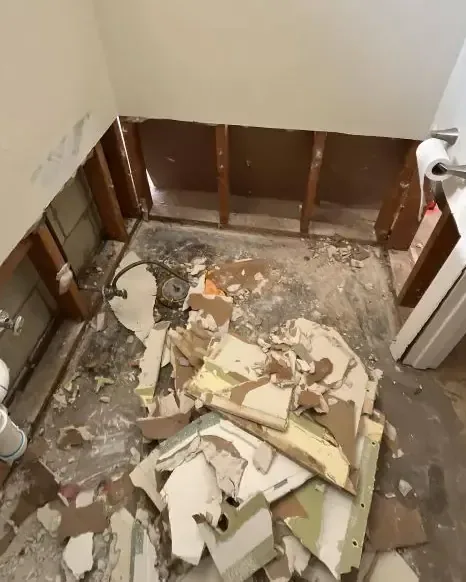
Wet baseboards and low drywall come off when needed, then air movers and dehumidifiers run until the structure stops giving up moisture.
Final readings are compared with a dry reference and written down, so the job ends on numbers instead of guesses.
Water damage claims, step by step
With 45.3% of occupied Ontario homes rented, many water losses involve both an insurer and a landlord, and a clear record helps with each.
- Dated photos of every wet surface and damaged item
- The date and time the water was first noticed
- Moisture readings and equipment logs from the drying team
- Receipts for emergency repairs and equipment rental
- Written notice sent to the landlord or property manager
Tips for the claim call
Report the loss promptly, describe what happened in plain terms and ask what the policy says about water from a sudden pipe, hose or appliance failure.
Keep damaged materials until the adjuster has seen them or approved disposal, and save every invoice. Slow seepage over weeks is often treated differently from a sudden break.
Where crews work across the city
ZIP codes
Not sure a street is covered?
The restoration team works homes and apartments along Euclid Avenue as readily as newer houses in Ontario Ranch, plus the large floors of warehouses and distribution buildings.
A short description of the street and the water source is enough to confirm coverage, and the crew plans its equipment from that description before reaching the property.
Ontario, CA · [email protected]
Areas and corridors
Nearby cities
What water damage restoration looks like up close
What water damage restoration costs here
Most jobs land between $900 and $15,000 or more, depending on how many rooms got wet, how long the water sat and whether it was clean, gray or sewage water. Drying days and materials removed drive the final figure.
- Extraction and wet vac pass
- Air movers and a dehumidifier
- Moisture readings until dry
- Extraction across rooms and halls
- Baseboards and wet drywall removed
- Dehumidifiers running for days
- Contaminated materials bagged and removed
- Disinfecting before drying begins
- Large equipment sets and daily readings
These ranges are typical, not a quote. The final figure depends on the wet area, the materials involved and the days of drying the readings call for. Many policies respond to sudden water losses.
Price out a loss on the cost calculator ›Common water damage questions
01How fast should water damage be dried?
As soon as possible. Wet drywall, carpet pad and framing can start to grow mold in 24 to 48 hours, so starting extraction early keeps more materials in place and keeps the repair smaller and cheaper.
02Does summer heat cause water damage here?
Indirectly. July highs average 93.8 F and August reaches 94.9 F, so air conditioners run hard, and a clogged condensate drain or leaking air handler can soak a ceiling before the stain is noticed.
03What should be done first after a pipe breaks?
Shut off the main or fixture valve, switch off power to wet areas, move small items to dry ground and photograph the damage. Then call for extraction, since burst pipe water damage keeps spreading into walls.
04Where is a sewer spill reported?
The city asks residents to report a sewer spill immediately to Ontario Municipal Utilities, and after hours through police dispatch. The cleanup of floors and materials is a separate job, covered under sewage backup cleanup.
05Should a landlord be told about a leak?
Yes, and in writing when possible. Many local homes are rented, so the owner or manager often decides on repairs, and photos plus moisture readings from the drying team support the notice to the owner and the insurer.
06Why do roof leaks show up after the first storm?
Dry summers and strong Santa Ana winds in autumn and winter can wear roofing and loosen flashing, so the first steady rain exposes weak spots as stained ceilings and damp insulation overhead. Roof repair itself belongs to a roofer.
07How is a warehouse floor dried?
Large floors use high capacity extraction, then many air movers and dehumidifiers staged in zones, with readings taken area by area so stock can be moved and protected first. Distribution buildings and shops are handled the same way.
08Is a leaking water heater a drying job?
Yes. The tank water is extracted first, then walls, cabinets and flooring that absorbed it are checked with a moisture meter and dried until readings match dry areas elsewhere in the building.
09What does restoration cost for one wet room?
One room with clean water often falls between $900 and $2,500 for extraction, equipment and readings. Gray water, sewage or several wet rooms push the figure higher, and the final invoice follows the drying days logged.
10Which water jobs does the crew handle?
Supply pipe breaks, appliance leaks, roof and ceiling leaks, AC condensate overflow, sewage backups and storm runoff, in homes, apartments and commercial buildings. The scope stays on water and sewage losses only.
Wet floors cannot wait, so call the drying crew now
Describe the water source and the affected rooms, and the crew arranges extraction and drying equipment.
(888) 578-6508Start the cleanup call