Storm Runoff and Flash Flood Cleanup in Ontario, CA
Most of the year's 11.64 inches of rain falls in winter, and runoff can find garages, doorways and low rooms when it does. The cleanup crew extracts the water, then dries and disinfects the structure.
(888) 578-6508Get the runoff cleared out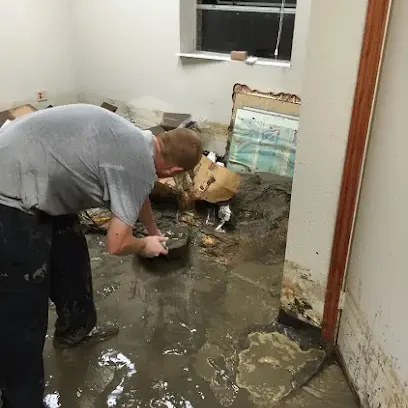
Floodwater from a storm is rarely clean. It collects soil, oil and bacteria on its way in, so the first pass removes mud and standing water, and anything porous that stayed under it is assessed for removal.
First steps for storm runoff and flash flood cleanup in Ontario
Stay out of the water
Floodwater can hide debris and live electrical hazards.
Switch off power
Turn off breakers to flooded rooms if it is safe to reach the panel.
Move what is dry
Lift electronics and paper goods well above the floor.
Photograph the damage
Capture water marks and damaged contents.
Water control has a long history here
The Chaffey brothers built a drainage system to carry foothill water onto flat land and prevent periodic floods, and a Sultana Avenue storm drain project now appears among Measure Q street improvements. Each property is assessed by what the water actually did.
- Garage floors and door thresholds
- Low rooms and entry areas
- Carpet and cabinets that sat in water
- Contents stored at floor level
Water spreading while you read?
Storm runoff and flash flood cleanup removes floodwater, mud and debris from garages and rooms, disinfects what the dirty water touched and dries floors, walls and contents.
How the cleanup runs
Pumps and wet vacuums take the water, shovels and buckets clear the mud, and hard surfaces are washed and disinfected. Porous materials that sat in dirty water are bagged out, and drying equipment finishes the job.
- Pumps and wet vacuums for standing water
- Mud and debris cleared by hand
- Hard surfaces washed and disinfected
- Floors and low walls dried
Before and after the storm
City alerts about road closures and evacuations come through AlertOntario, and ReadyOntario holds preparedness information. After the water recedes, photos and a written list of damaged belongings help the claim. Related drying work sits under structural drying.
- Photos before anything is moved
- A written list of damaged items
- Receipts for emergency work
- Notes on how deep the water got
Official reading: Ready.gov flood safety and FloodSmart, the National Flood Insurance Program.
What does storm runoff and flash flood cleanup cost in Ontario, CA?
Storm runoff and flash flood cleanup in Ontario commonly runs $2,500 to $14,000 or more, depending on how deep the water got, whether it was dirty and how much flooring, drywall and contents it reached.
- Pump and vacuum extraction
- Mud and debris removal
- Disinfecting and drying
- Multi room extraction
- Flooring and base removed
- Added drying equipment
- Wall sections cut and dried
- Contents sorted and cleaned
- Extended drying days
Ranges are typical, not a quote: water category, square footage, material class and how fast drying started move the number most.
Work out your own range on the cost calculator ›How storm runoff and flash flood cleanup is handled in Ontario
Every job starts with a moisture map, so the drying plan matches what is actually wet. Equipment stays until the readings say dry, not until the surface looks dry.
Clear
Standing water and mud come out.
Clean
Dirty surfaces are disinfected.
Open
Soaked materials are removed.
Dry
Equipment runs until readings match.
Storm runoff and flash flood cleanup across Ontario and nearby cities
Storm cleanup covers garages, ground floors and commercial spaces across the city, from neighborhoods near Euclid Avenue and Sultana Avenue to newer homes in Ontario Ranch, wherever runoff has come indoors. The extraction crew brings pumps sized to the job.
The same service nearby: storm runoff and flash flood cleanup in Montclair, Chino, Upland.
Storm Runoff and Flash Flood Cleanup questions in Ontario, CA
01Is floodwater from a storm considered contaminated?
Usually yes. Runoff collects soil, oil and bacteria, so porous materials that sat in it are assessed for removal and hard surfaces are disinfected.
02How much rain does the area get?
Average yearly precipitation is 11.64 inches over 35.5 days with measurable rain, with February the wettest month at 3.07 inches. Summer months each average under a tenth of an inch.
03Does the city have storm drain projects?
A Sultana Avenue storm drain project is listed among the city's Measure Q street improvements. Storm drains reduce runoff, though heavy rain can still reach garages and doorways.
04Can the mud be cleaned up by hand?
Surface mud can, but the water behind it is the concern. Wet drywall, insulation and flooring hold floodwater, so extraction and drying equipment are needed before the cleanup counts as finished. See water extraction.
05What should be photographed?
Water marks on walls, flooded rooms from several angles and every damaged item. Photos taken before cleanup begins support the insurance claim.
06How are alerts and closures announced?
The city sends alerts about evacuations and road closures, and cleanup begins only once it is safe to reenter the property.
Storm water in an Ontario home? Get it cleared and dried.
Dirty floodwater soaks into carpet, drywall and wood the longer it sits. Call now and the crew brings pumps, vacuums and drying equipment.
(888) 578-6508Call about the storm damage