Water Damage Restoration Rancho Cucamonga, CA
When a pipe splits, a water heater fails or a storm pushes water indoors in Rancho Cucamonga, the restoration team extracts the standing water and dries the structure with measured readings.
(888) 578-6508Call now about wet floors or ceilings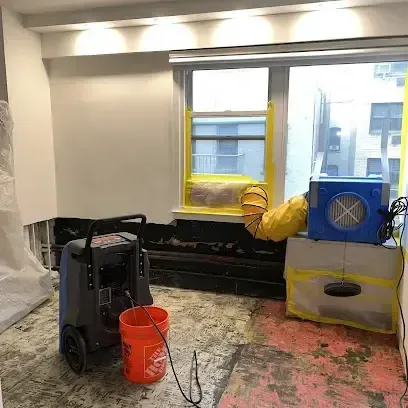
What to do while the crew is on the way
Stop the water
Close the shutoff valve for the fixture, or the main valve, if it is safe to reach. Keep clear of wet outlets and cords.
Protect your safety
Stay out of rooms with sagging ceilings, standing water near electrical items, or sewage. Keep family and pets away from the wet area.
Photograph everything
Take photos and video of the damage and its source before anything is moved. They help the insurance conversation later.
Lift what you can
Move small furniture, rugs and electronics out of the wet area, and set foil or blocks under furniture legs on damp carpet.
Call a restoration crew
Water left in drywall, pad and framing keeps spreading and can turn into lasting damage, so drying should start quickly.
Water damage services across the city
Each service below covers a different source of water, from a failed supply hose to a roof leak, and every job ends with the structure dried and tested.
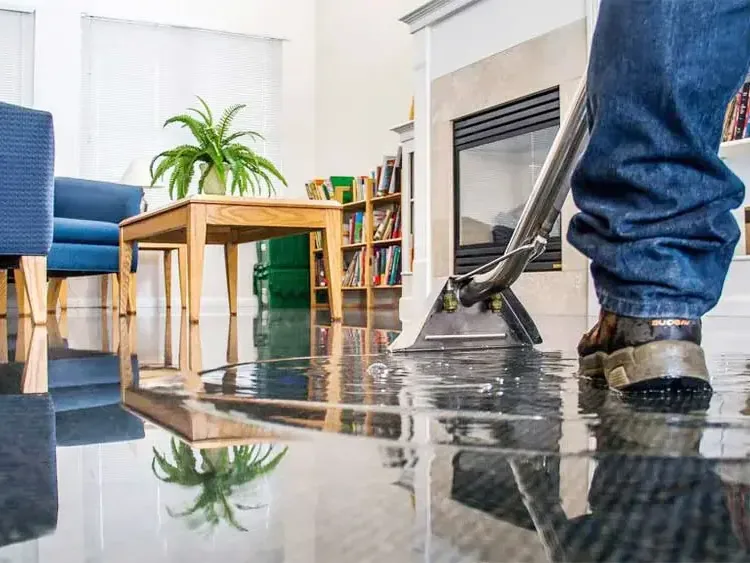
Water Extraction and Removal
Wands and pumps pull standing water off floors before it soaks into pad, baseboards and wall bottoms.
Inside this service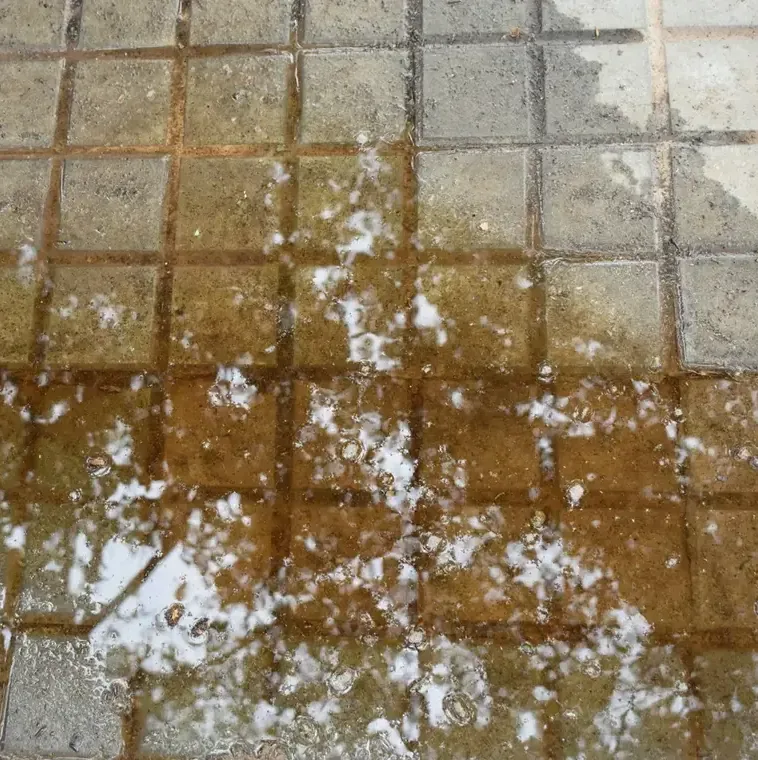
Slab Leak Water Damage
A hidden leak under the concrete is traced and stopped, then floors and wall bottoms are dried.
Inside this service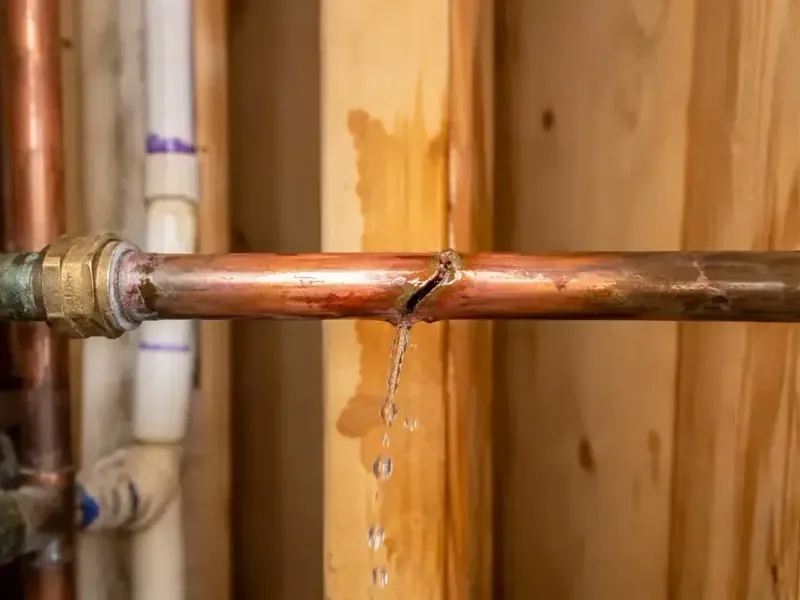
Burst Pipe Water Damage
A split supply pipe can flood several rooms, so water is removed and wet walls opened to dry.
Inside this service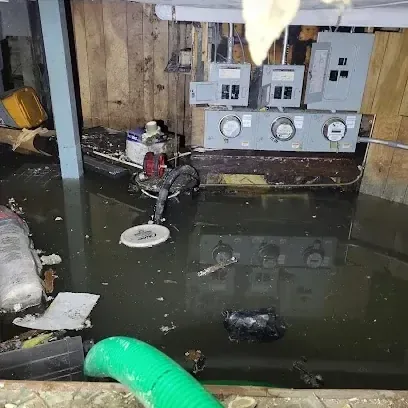
Sewage Backup Cleanup
Contaminated water is removed in protective gear, and affected materials are cut out and bagged before drying starts.
Inside this service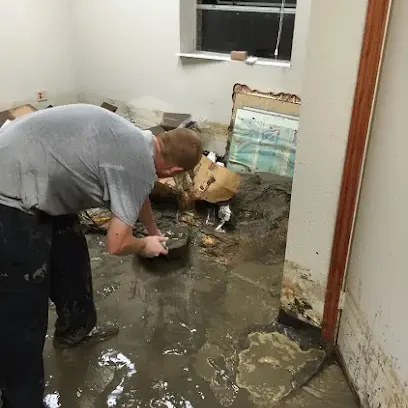
Storm Runoff and Flash Flood Cleanup
Rain and runoff in a garage or living space are pumped out, then the structure is dried.
Inside this service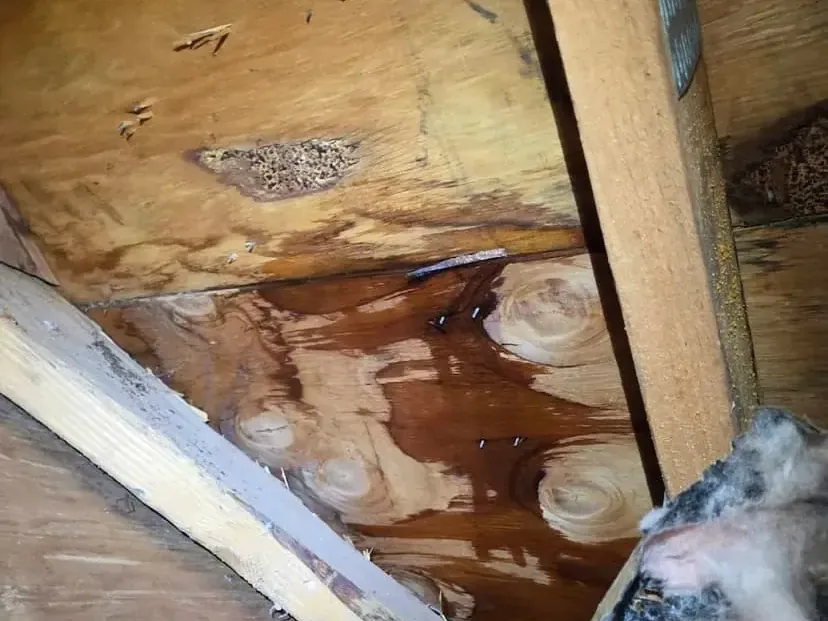
Roof Leak Water Damage
Water that came through the roof is cleared from ceilings, insulation and walls, then dried.
Inside this service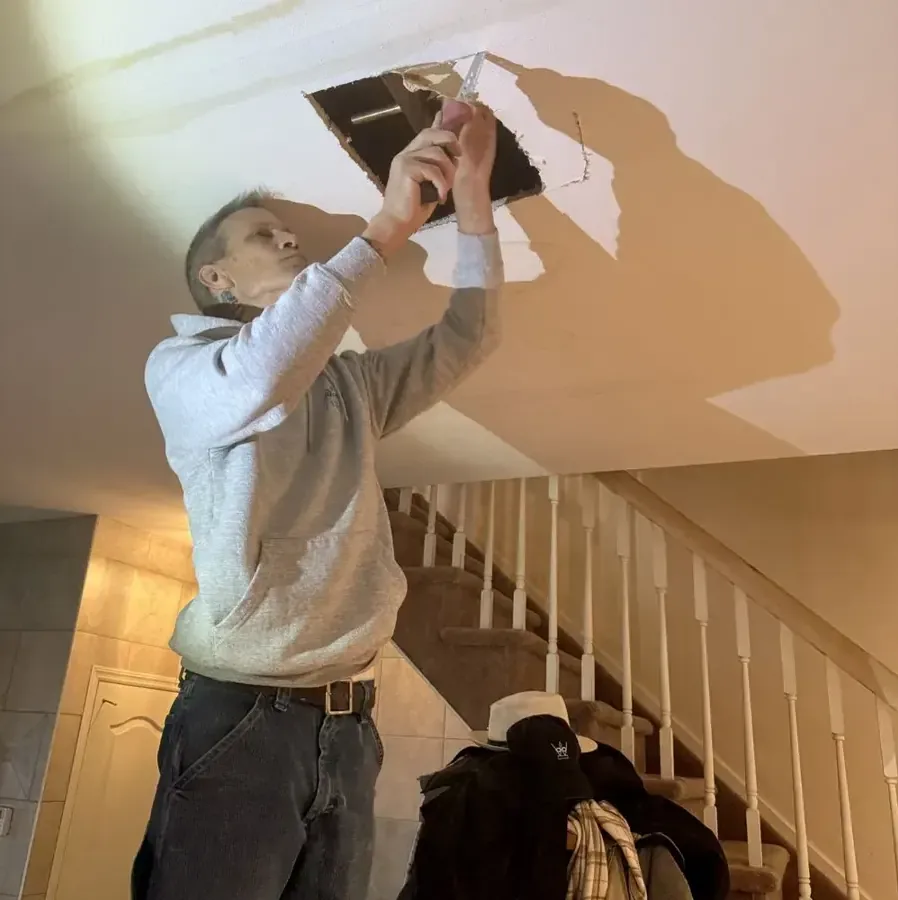
Ceiling Leak Water Damage
Sagging or stained ceilings are opened so trapped water drains and the cavity above can dry.
Inside this service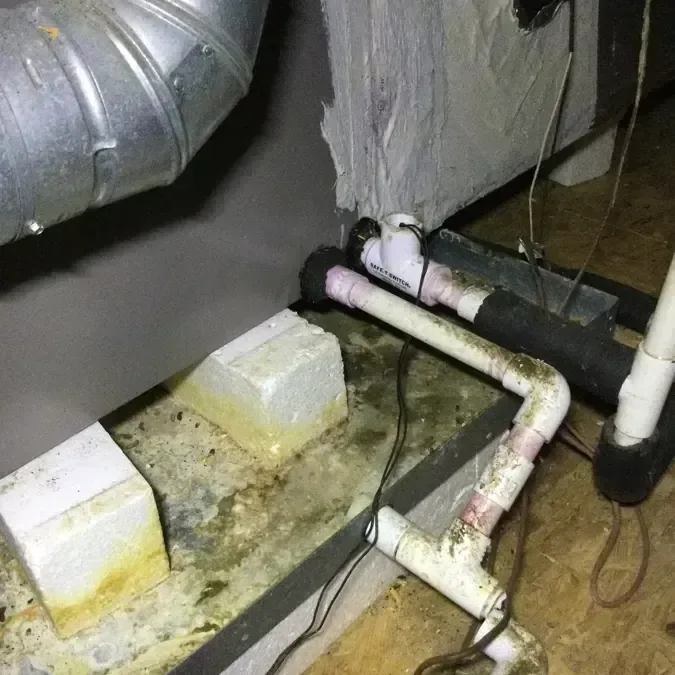
AC Condensate Leak Water Damage
A clogged drain or full pan soaks ceilings and walls, so the source is found and the area dried.
Inside this service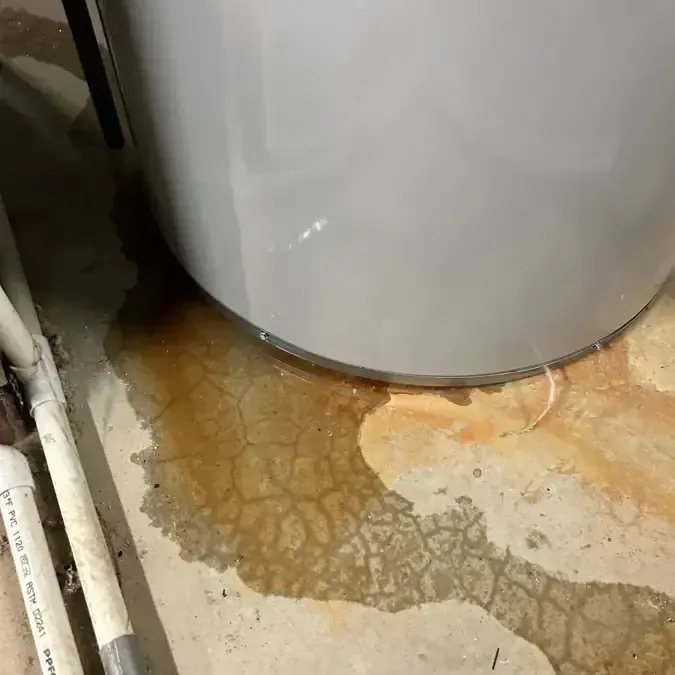
Water Heater Leak Cleanup
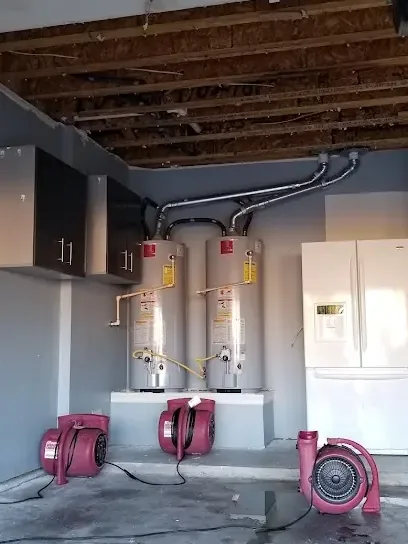
A failing tank can spread water through a garage and closet, so it is extracted and dried.
Inside this service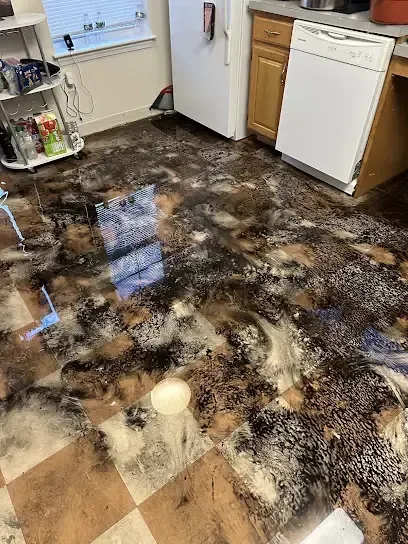
Appliance and Supply Hose Leaks
Washer, dishwasher and refrigerator hoses leak behind cabinets and under floors, so a meter probes the area.
Inside this service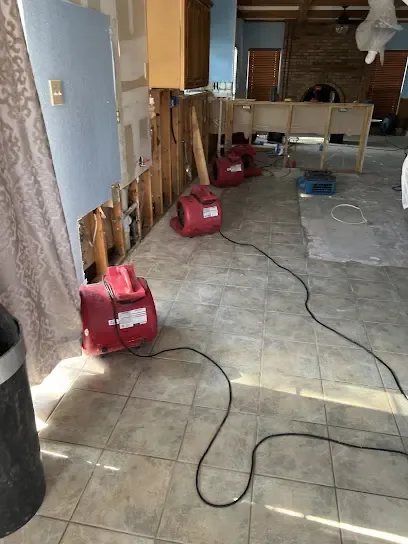
Structural Drying and Dehumidification
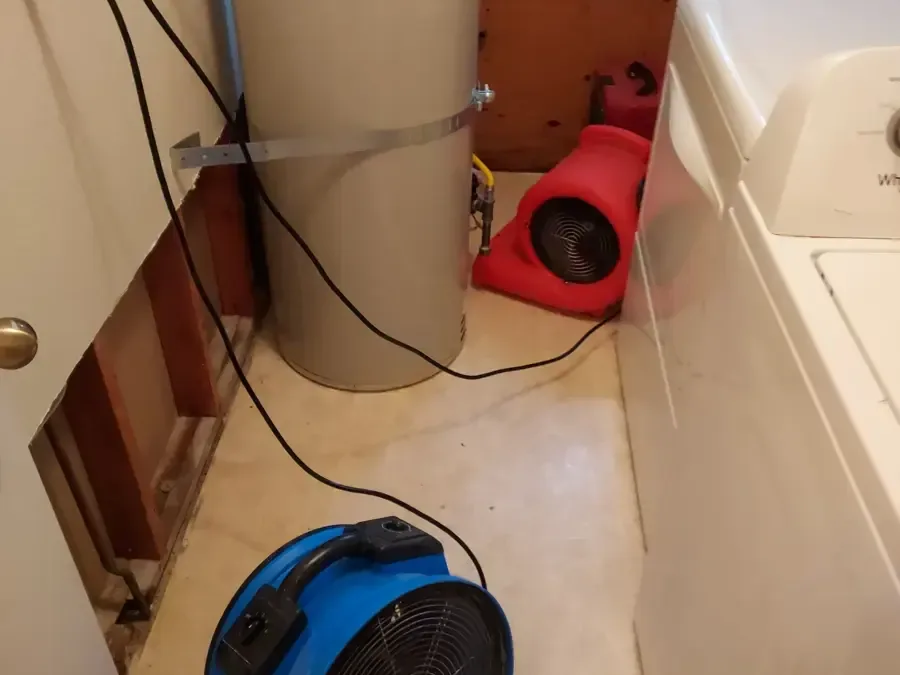
Air movers and dehumidifiers pull moisture from framing, subfloor and drywall until readings return to normal.
Inside this service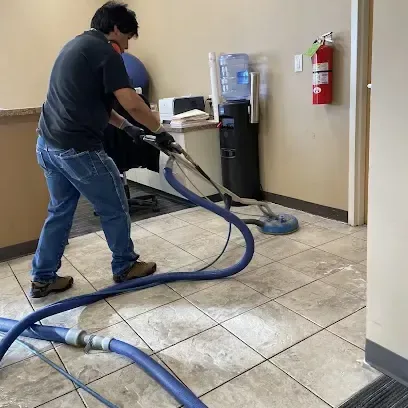
Commercial Water Damage
Offices, shops and warehouses get phased drying plans that keep unaffected space open while wet areas dry.
Inside this serviceDrying that is measured, documented and finished properly
The restoration team treats water damage as a moisture problem to be measured, not a stain to be wiped away. Readings decide what is opened, dried and released.

Readings before opening
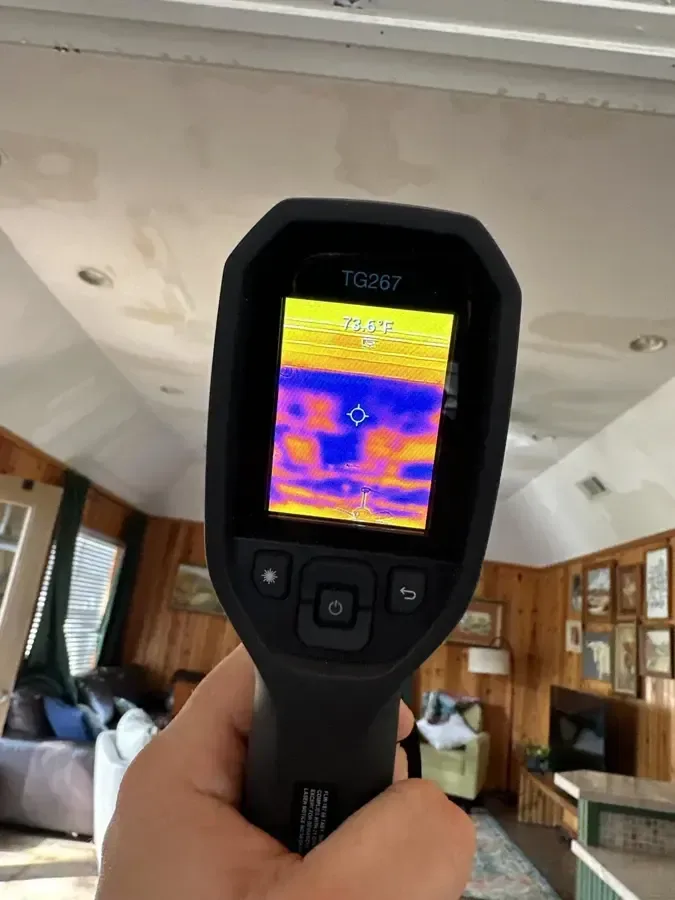
Moisture meters and a thermal camera show where the water traveled, so walls and floors are opened only where they are actually wet.
Equipment sized to the room
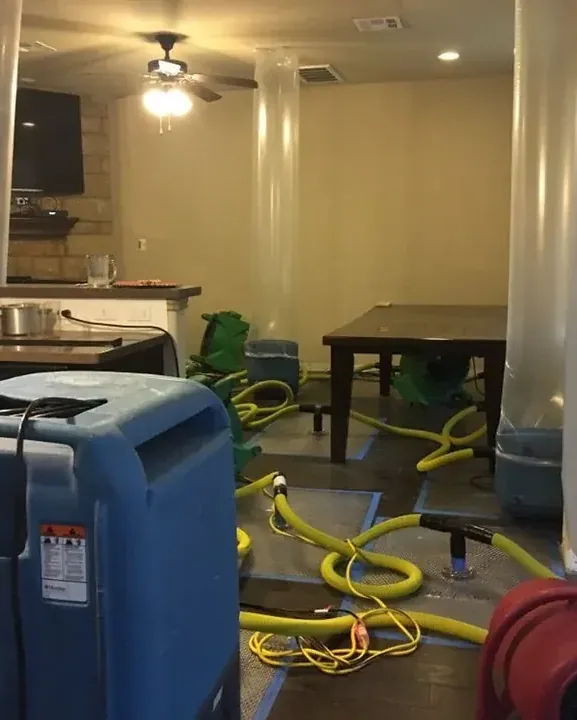
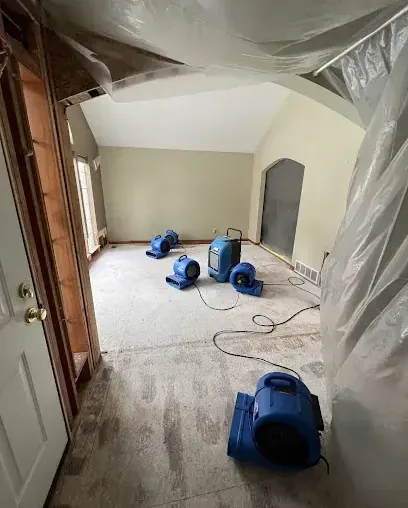
Air movers and dehumidifiers are matched to the wet area, then moved or pulled out as the readings drop.
Photos for the insurer
Before, during and after photos and daily readings are kept, so the file shows what was wet and what was dried.
A clear scope first
The crew explains which materials come out, which stay and what the drying involves before the work begins.
Where local water damage usually starts
Winter storm water
Most of the city's rain falls from December to March, and a garage, a doorway or a low room can take on storm water that needs pumping and drying.
Summer air conditioner leaks
Long, hot summers keep cooling systems running for months, and a clogged drain or a cracked pan can soak a ceiling or wall.
Leaks nobody can see
A supply leak under a floor or inside a wall can run for weeks, so meter data and moisture mapping help trace it before damage spreads.
What puts local homes at risk of water damage
Rancho Cucamonga sits on an alluvial plain just below the San Gabriel Mountains, collects about 17.68 inches of rain a year, and runs air conditioners through long, hot summers.
Winter rain
January averages 4.16 inches of rain and February 5.14, the two wettest months, so roof leaks and ceiling stains often appear when the first big storms arrive after a dry summer.
Hot summer air conditioning
The average July high is 93.9 F, so cooling systems run for months, and a blocked condensate drain or an overflowing pan can wet a ceiling or wall with little warning.
Storm runoff near the foothills
The city lies just south of the San Gabriel Mountains foothills, and most of its yearly rain falls from December to March, which can push runoff toward garages and low doorways.
Busy household plumbing
With 58,277 households averaging 3.0 people, washers, dishwashers and refrigerator supply hoses get heavy use, and a slow leak behind a cabinet can go unnoticed for weeks.
Commercial and warehouse space
Distribution centers and manufacturing fill the area around Milliken Avenue, and office parks sit along Haven Avenue, so supply breaks and roof leaks can reach inventory, floors and tenant suites.

March 1955
Voters approved the Cucamonga Valley Water District during a drought, when groundwater levels were dropping, and the district now manages the city's water supply and sewage service.
Drying that follows a written standard, not guesswork
The restoration team works to the IICRC S500 water damage standard: classify the water, set a drying goal, and log readings each visit until the structure matches a dry reference.
The crew identifies the source and the water category, then maps moisture with meters and a thermal camera across floors, walls and ceilings.
Truck-mounted or portable extraction takes the standing water first, and wet pad, soaked insulation and unsalvageable materials come out.
Air movers and dehumidifiers are placed by room volume and material, with containment where the drying air must stay in one space.
Readings are logged at every visit, and equipment stays until framing and drywall match a dry reference, with records kept for the claim.
Get the paperwork ready for a claim
Many water losses are covered when the cause is sudden, such as a burst pipe or a failed hose. A clear record makes the claim easier to process.
- Photos of every wet room and item
- The source of the water, if visible
- Receipts for emergency repairs and equipment
- A list of damaged belongings and their age
- The date and time the damage was found
What you can document yourself
Policies differ, so read the cause-of-loss and exclusion sections, and ask the carrier which mitigation steps it expects before any work begins.
Keep damaged materials until the adjuster has seen them or approved disposal, and save every drying log and invoice together in one folder.
Service across the whole city
ZIP codes served
Water in the house? Reach a local crew any hour
Describe where the water came from, which rooms are wet and whether the power is still on. That is enough for the crew to plan the extraction and drying gear.
Residents in Alta Loma, Etiwanda and the Terra Vista area get the same process as everyone else: stop the source, extract, then dry.
Rancho Cucamonga, CA · [email protected]
Streets and neighborhoods
Nearby towns
Extraction, drying and sewage cleanup equipment at work
What does water damage restoration cost here?
Most Rancho Cucamonga jobs fall between $900 and $15,000 or more, depending on how many rooms are wet, the water category and how long the water sat. One room with clean water sits at the low end.
- Clean water in one room
- Extraction and a pad check
- A short equipment stay
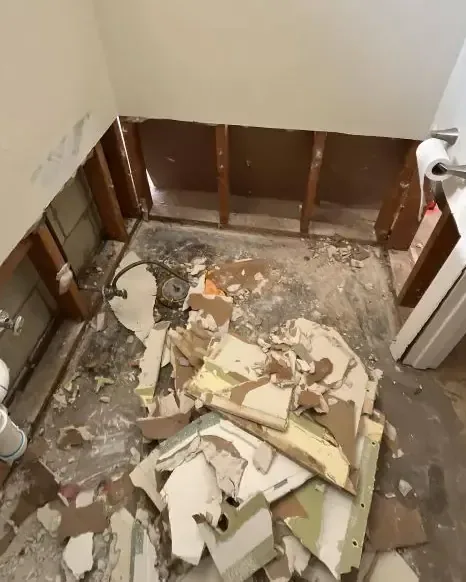
- Wet drywall opened up
- Pad and baseboards removed
- Several days of drying
- Contaminated materials removed
- Containment and surface cleaning
- Extended drying and rechecks
These are typical ranges, not a quote. The final scope comes from moisture readings taken on the job, and the cost calculator can give a rough starting figure first.
Price out a loss on the cost calculator ›Water damage questions from local homeowners
01What should I do first after water floods a room?
Stop the source if it is safe, keep clear of wet outlets and sagging ceilings, and take photos before moving anything. Then call a restoration crew so extraction can start quickly, since wet materials degrade fast.
02Why does drying have to start so fast?
Mold can begin growing in damp drywall and pad within 24 to 48 hours, and swollen flooring and framing get harder to save with every day. Quick extraction keeps the loss smaller.
03Will homeowners insurance pay for the damage?
It depends on the policy and the cause. Sudden events like a burst pipe or a failed hose are often covered, while long-term seepage often is not. Good documentation helps either way.
04How much does water damage cleanup cost here?
Most jobs run from $900 to $15,000 or more. One room with clean water costs the least, while sewage or a whole floor costs the most. The water damage cost calculator gives a quick estimate.
05How long does structural drying take?
Drying runs until readings match a dry reference, which often takes several days. Thick materials such as hardwood, subfloor or concrete can take longer, and the readings decide when each piece of equipment leaves.
06Does the crew work in Alta Loma and Etiwanda?
Yes. Service covers Alta Loma, Cucamonga, Etiwanda, Terra Vista and the Victoria Gardens area, along with the streets around Foothill Boulevard and Haven Avenue, no matter which neighborhood the loss is in.
07Do commercial buildings get the same treatment?
Offices, shops and warehouses get phased plans that protect inventory and keep unaffected suites running. The commercial water damage service covers the process in more detail.
08What if the water is from a sewage backup?
Sewage is contaminated water, so the crew wears protective gear, removes affected porous materials and cleans surfaces before drying. Keep everyone out of the area until the work is finished.
09Is it safe to stay home during drying?
Usually yes in unaffected rooms, and most households keep using them. Air movers are noisy and run continuously, and any area touched by sewage or contaminated water should stay off limits until it has been cleaned.
10Can the water meter help find a hidden leak?
Yes. Shut off every fixture and watch the meter; if it still moves, water is escaping. The Cucamonga Valley Water District finished its meter reading upgrade in 2019, giving customers real-time usage data, and a slab leak is one cause.
Water in the house? The drying team is ready when you are
Call any hour, describe what happened, and the crew will plan the extraction and drying equipment the job needs.
(888) 578-6508Call the drying team