Storm Runoff and Flash Flood Cleanup in Rancho Cucamonga, CA
Rancho Cucamonga sits just south of the San Gabriel Mountains foothills, so when winter rain pushes runoff into a garage or room, the crew pumps it out, clears the mud and dries the structure.
(888) 578-6508Clear storm water from my home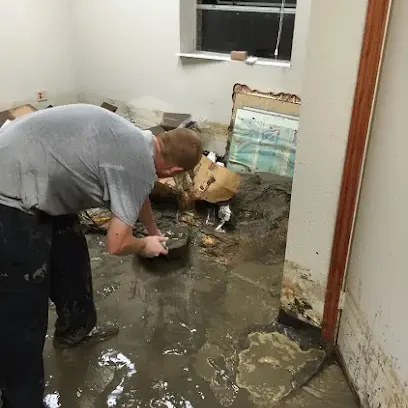
The city sits on an alluvial plain below the mountains and gets 17.68 inches of rain in a typical year, most of it from December to March. When a storm is heavy, runoff can find its way through a door, garage or low entry. The water extraction service removes the bulk of it before the cleanup begins.
First steps for storm runoff and flash flood cleanup in Rancho Cucamonga
Stay out of the water
Standing storm water may hide debris or touch electrical items.
Do not run the equipment
Skip household vacuums and fans on wet floors.
Move valuables up
Lift documents, electronics and small items off the floor.
Document everything
Photograph the high-water mark, the damage and any cleanup receipts.
What storm water brings with it
Runoff picks up soil, grease and debris on the way in, so it is not treated as clean water even when it looks clear, and it can leave a film on everything it touched.
- Mud and silt left on floors
- Debris that clogs equipment
- Contaminants in porous materials
- Staining on walls and baseboards
Water spreading while you read?
Storm and runoff water carries soil and debris, so the crew treats it as contaminated, pumps it out, clears the mud and dries and cleans what it touched.
How the cleanup runs
Pumps move the bulk of the water first, then the crew clears the sediment and removes any material that cannot be cleaned, working from the doorway inward so mud is not walked into dry rooms.
- Submersible pumps and wet vacuums
- Mud shoveled and bagged
- Pad and soaked insulation discarded
- Hard surfaces washed and treated
Drying the structure afterward
Once the room is clear, air movers and dehumidifiers dry the floors and walls, and readings confirm that the moisture is gone.
- Air movers across the wet floors
- Dehumidifiers lower the humidity
- Lower drywall opened if soaked
- Readings logged until dry
Official reading: Ready.gov flood safety and FloodSmart, the National Flood Insurance Program.
What does storm runoff and flash flood cleanup cost in Rancho Cucamonga, CA?
Storm runoff cleanup in Rancho Cucamonga typically runs $2,500 to $14,000, depending on how deep the water got, how much mud came in and how many rooms were reached. Cleanup of drains and landscaping outside the house is not included.
- Water pumped out
- Mud cleared
- Initial drying
- Wider material removal
- Surface washing
- More drying equipment
- Multiple rooms cleaned
- Extended crew time
- Repeated drying visits
Ranges are typical, not a quote: water category, square footage, material class and how fast drying started move the number most.
Work out your own range on the cost calculator ›How storm runoff and flash flood cleanup is handled in Rancho Cucamonga
Every job starts with a moisture map, so the drying plan matches what is actually wet. Equipment stays until the readings say dry, not until the surface looks dry.
Pump
Water leaves floors and low spots.
Clear
Mud and ruined materials are hauled out.
Wash
Surfaces are cleaned.
Dry
Equipment runs until readings normalize.
Storm runoff and flash flood cleanup across Rancho Cucamonga and nearby cities
Storm cleanup covers garages, entries and ground-floor rooms across Rancho Cucamonga, from Etiwanda and Alta Loma to Terra Vista, Cucamonga and the Victoria Gardens area, plus the streets around Foothill Boulevard and Day Creek Boulevard.
The same service nearby: storm runoff and flash flood cleanup in Montclair, Upland, Ontario.
Water damage restoration in Rancho Cucamonga · every city covered
Related water damage services in Rancho Cucamonga
Storm Runoff and Flash Flood Cleanup questions in Rancho Cucamonga, CA
01Is storm water considered contaminated?
Yes, usually. Runoff carries soil and debris from outside, so porous materials it touched are typically removed and hard surfaces are cleaned before drying.
02When does the rain mostly fall here?
Most of the 17.68 inches of yearly rain comes between December and March, with January and February the wettest months. Summers are mostly dry.
03Can the crew work during a storm?
Extraction can often start while rain continues if the area is safe, but the crew will not enter flooded spaces with live electrical hazards, and heavy storms can delay the start of the work until conditions settle.
04Does insurance cover storm water?
It depends on the policy. Many standard homeowners policies cover rain through a damaged roof but not flood water, so check the language and photograph everything.
05What about the garage?
Garages see runoff first, and stored boxes and cardboard soak quickly, so anything valuable should be lifted onto shelves or into plastic bins. The water extraction service removes the water, and the structural drying service finishes the job.
Get storm water out of your home
Runoff leaves mud and moisture in places you cannot see. Call any hour and the extraction crew will plan the pump-out and drying.
(888) 578-6508Call about runoff damage