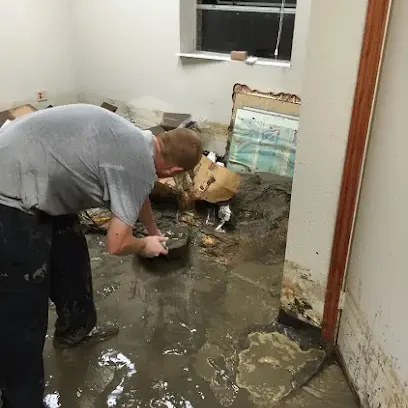
Hilary reached Chino on August 20 and 21, 2023, and the city called the rain milder than expected. Even so, the sandbags, closed streets and extra Public Works crews showed how quickly a valley city moves when water is coming.
Key takeaways
- Public Works ran extra personnel round the clock during Hilary, watched the sewers and put out flooded road signs.
- The city and the Chino Valley Fire District handed out over 5,500 sandbags, and residents were asked to bring their own because fire station supply was limited.
- The city called Hilary milder than expected, so the lesson is readiness for the next storm, not a count of damaged homes.
- Storm water that enters a house is treated as contaminated, so it is extracted first and the structure is dried afterward.
- Photos, moisture readings and a written note to the landlord or insurer are worth gathering before anything is thrown out.
What Hilary did, and did not do, in Chino
Hilary brought continuous rain to Southern California on August 20 and 21, 2023. Chino described its own rain as milder than expected.
Public Works still ran extra personnel round the clock, put out flooded road signs and watched the sewers.
Several streets closed for flooding, including San Antonio Avenue, Pine Avenue and Merrill Avenue. All of them reopened by the morning of August 21.
Whether any houses took water is not part of the record the city shared, so Hilary works best as a readiness lesson rather than a damage report.
Sandbags, alerts and early signals
During Hilary, the city and the fire district distributed over 5,500 sandbags. Residents were asked to bring their own because fire station supply was limited.
People can also sign up for city alerts through Chino Notify, which is one way to hear about closures as they happen.
- Sign up for city alerts before the rain starts.
- Keep sturdy bags and a shovel where they can be reached quickly.
- Learn which doors, garage openings and low spots collect water first.
- Move vehicles and stored items off the floors that sit lowest.
Why storm water inside a house is not clean water
Runoff crosses streets, driveways, yards and gutters before it reaches a door. On the way it picks up soil, oil, fertilizer and whatever else is on the ground.
For that reason, storm water that gets inside is handled as contaminated. Porous materials that soaked it up, such as carpet pad and the bottom strip of drywall, are usually removed instead of dried.
Wet items that cannot be cleaned and dried, such as upholstered furniture and stuffed toys, are usually discarded after they have been photographed.
The valley's main stream, Chino Creek, drains a watershed that begins in the San Gabriel Mountains and ends in the Prado Flood Control Basin behind Prado Dam.
Common ways storm water finds a way in
Water follows gravity and gaps. During a heavy rain it tends to use the same entry points again and again.
- Door thresholds and weather stripping that have worn thin.
- Garage door seals and the low edge of the slab where a driveway slopes toward the house.
- Sliding door tracks and window sills that collect water faster than they drain.
- Roof leaks that run down inside walls and show up as ceiling stains or damp corners.
- Floor drains and laundry areas where backed up water can rise.
First steps once water is inside
The first moves are about safety, then about preserving evidence.
Waiting costs time. Mold can begin within 24 to 48 hours in a wet building, so the sooner the water is out, the less has to be removed.
A local storm and runoff cleanup team starts by finding where the water entered and how far it traveled under cabinets and along baseboards.
- Stay out of any room where water touches outlets, cords or appliances until power is off at the panel.
- Photograph the water level on the walls, the flooring and any damaged belongings.
- Lift furniture, boxes and rugs onto blocks or move them to a dry room.
- Wear boots and gloves in the water, and keep children and pets out.
- Write down when the water came in and who was told.
How extraction and drying work after a storm
Extraction comes first
Truck mounted and portable units lift standing water from slab floors, garages and carpet before it wicks into baseboards.
Pad that cannot be cleaned is pulled. This is the heart of water extraction after a rain event.
Where the materials allow, wet cabinet bases and closet floors are dried in place instead of torn out.
Drying the structure
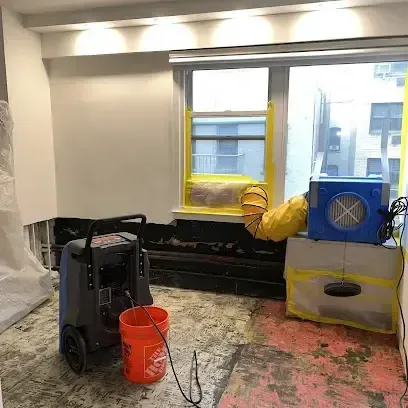
Fans and LGR dehumidifiers then work together on the framing, drywall, slab and cabinet bases.
Meter readings show when each material has returned to normal levels, and the equipment stays until they do.
When the house still feels damp days later
Water that is no longer visible may still be in the house. Moisture hides under flooring, behind baseboards and inside the lower part of walls.
A quick check of the entry points before the wet season costs little compared with removing soaked carpet and drywall afterward.
- Baseboards that swell or pull away from the wall.
- Paint that bubbles or peels along the bottom of a wall.
- Floors that feel soft or springy underfoot.
- A musty smell in a closed room or closet.
Renters, owners and keeping records
Across the city, 62.5% of occupied housing units are owner occupied and 37.5% are rented, so storm water often involves two parties.
Renters should tell the landlord or manager in writing right away. Owners should hold on to photos, moisture readings and receipts for the insurer.
A simple folder with photos, the date and time the water came in, notes on what was moved and receipts for any repairs makes later conversations easier.
More on local service is on the area water damage hub, and the same storm runoff cleanup process applies in neighboring cities.
Questions
Was the city hit hard by Hilary?
The city called the rain milder than expected, closed a few streets for flooding that reopened by the morning of August 21, and ran extra Public Works crews. Damage to houses is not part of the city's account.
Where do sandbags come from?
During Hilary, the city and the fire district handed out over 5,500 sandbags and asked residents to bring their own. Current availability is best confirmed with the city before a storm.
Is storm water inside a house safe to clean up alone?
A thin film on a hard floor can be handled with gloves and boots, but runoff is contaminated. Carpet, pad and drywall that soaked it up should be assessed by a restoration team.
How long does drying take after storm water?
It varies with the number of wet rooms and the materials involved. The drying team takes moisture readings and keeps equipment running until the materials return to normal levels.
What should a renter do after storm water gets in?
Give the landlord or manager written notice, photograph everything and keep receipts. A restoration team can add moisture readings to the record.