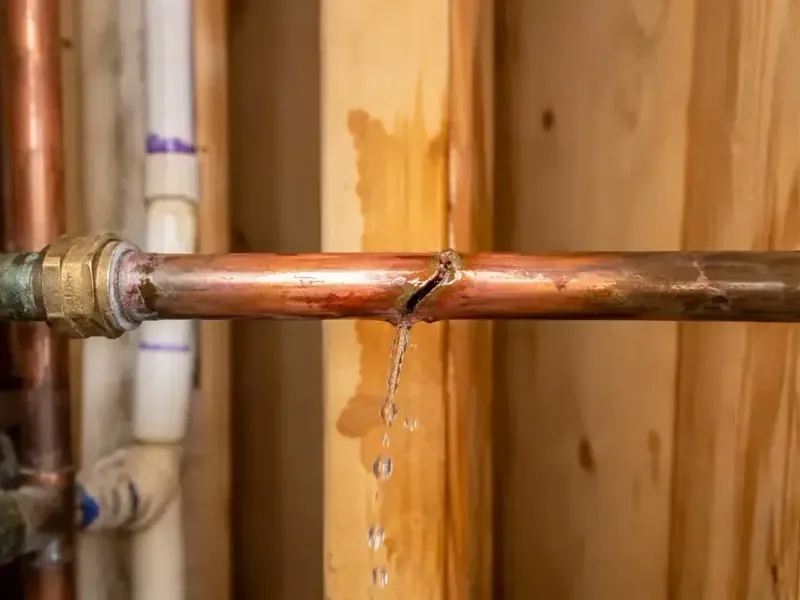
A leak behind a wall or under a floor can run for days before a stain shows. In Rancho Cucamonga, meter upgrades have put real time usage data in customers' hands, and that data is one of the best early warnings available.
Key takeaways
- The Cucamonga Valley Water District launched a meter upgrade program in 2016 and finished its Automated Meter Reading Infrastructure project in 2019.
- The district says the project lets customers conserve water and detect leaks with real time data.
- Water use that never drops to zero overnight is the classic sign of a hidden leak.
- Once a leak is found, the water already released still has to be extracted and the wet materials dried.
- Usage records are also useful evidence for a landlord or insurer when damage is discovered.
What the meter project changed
The Cucamonga Valley Water District manages Rancho Cucamonga's water supply and sewage service. It started a water meter upgrade program in 2016.
In 2019 the district completed its Automated Meter Reading Infrastructure project. The district describes the result as real time data that lets customers conserve water and detect leaks.
Not every address is confirmed to be on the district's system, so anyone unsure should check a recent water bill to see who supplies the home.
Acting sooner is the whole point of that data. A leak caught after a day soaks far less than the same leak found after a month, and the repair and drying scale with the amount of water released.
Reading usage for a hidden leak
The pattern matters more than any single number. A home with nobody awake should use almost no water.
The census counted 58,277 households in the city in 2020, averaging 3.0 people each, and every one of them has a daily rhythm: showers in the morning, laundry in the evening, quiet overnight.
Irrigation deserves a special look. A stuck sprinkler valve or a timer set at the wrong time can move more water than any indoor leak, and it shows up in the same data.
- Look at overnight usage. A steady trickle between midnight and dawn points to a leak or a running fixture.
- Compare this week with matching days last month, allowing for guests, irrigation and laundry.
- Note any sudden step up that never comes back down.
- Close the main valve briefly and watch whether the usage reading stops.
A step by step check before calling anyone
A short routine rules out the common culprits and narrows the search.
Those results tell a plumber where to start, and they can save a diagnostic visit.
- Stop all water use: every tap, appliance, ice maker and irrigation timer.
- Write down the reading on the meter or the usage display.
- Wait a short while without using water, then read it again.
- If the reading changed, close the main valve and read it once more.
- If it still changed, the water is escaping before the valve; if it stopped, the leak is inside the house.
Where a hidden leak usually hides
The easy suspects
Toilets that run on, dripping faucets and irrigation timers account for plenty of unexplained usage. They are worth ruling out before anyone opens a wall.
- A toilet flapper that does not seal can pass water all night.
- Washer and dishwasher hoses can seep behind the machines.
- A water heater drain or relief valve can weep into a closet or garage.
- Sprinkler valves can stick open on the irrigation side of the meter.
- A refrigerator ice maker supply tube can weep behind the unit for weeks.
The hard to find ones
A pinhole in a supply pipe inside a wall may not stain drywall for weeks. A leak under the floor can soak a slab quietly.
These are the cases where meter data pays off, because the dial or the display shows what the eyes cannot. A slab leak is a typical example.
Why small leaks turn into big cleanups
Water takes the path of least resistance. A slow leak inside a wall runs down the framing into the bottom plate, soaks the drywall from underneath and wicks into baseboards and flooring.
In a two story home, the water can also drip through the ceiling below, and a single leak ends up wetting several rooms.
Mold can start within 24 to 48 hours in damp materials, so the speed of finding and drying a leak matters as much as the repair itself.
When the leak has already done damage
Sometimes the meter data is checked after something looks wrong. Look for stained ceilings, swollen baseboards, warm spots on the floor or a musty smell.
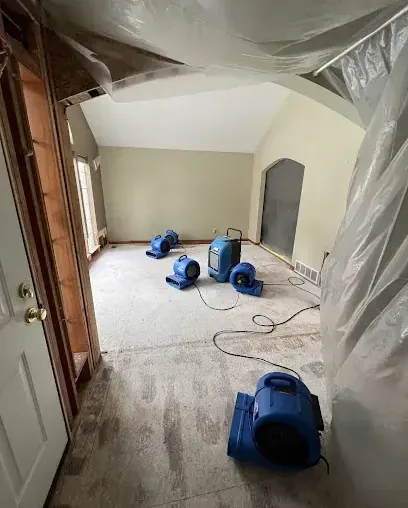
A plumber stops and repairs the leak. The restoration team handles the rest: finding how far the water went, opening wet wall cavities and extracting water from flooring.
A pipe that splits inside a wall is handled under burst pipe water damage, with the wall opened and dried cavity by cavity.
Standing water on a floor calls for water extraction before any drying starts, so the moisture does not wick into baseboards and cabinets.
- Moisture meters and thermal cameras trace the wet area without guessing.
- Wet drywall, insulation and pad are removed when they cannot be dried.
- Dehumidifiers and air movers then dry the framing and floor.
- Readings are repeated until the materials reach normal levels.
Using the record with a landlord or insurer
A screenshot or printout of unusual usage shows when a leak began. Pair it with dated photos of the damage.
Renters should send both to the landlord or manager in writing. Owners should keep them for the insurer along with receipts for repairs and drying.
Useful items to keep together: dated usage readings, photos of the damage, the plumber's invoice and the moisture log from the drying team.
A short written summary at the end, listing dates and what was done, closes the file neatly.
Questions
What is the quickest way to tell if a leak is inside the house?
Shut the main valve at the house and watch the usage reading or the meter dial. If water use stops, the leak is on the house side of the valve. If it keeps moving, the problem may sit before the valve.
Can meter data find the exact leak?
No. It shows that water is moving, not where. A plumber's pressure test or leak detection equipment finds the exact spot.
Does the district say it serves every address in the city?
That is not confirmed. A recent water bill shows who supplies a particular home.
What happens to the wet materials once the leak is fixed?
Materials that can dry in place stay, and those that cannot are removed. The drying team uses moisture readings to decide each case.
Should the wall be opened before the plumber arrives?
Usually the plumber locates the leak first so the opening is as small as it can be. The restoration team then opens what is wet.
How often should usage be checked?
Weekly is enough for most households. Daily checks are worth it for a few days after a repair or whenever something looks off.